As butterfly gardens become more popular, nurseries will charge more for specialty plants. Fortunately, seeds are easier and less expensive than plants. You don’t need a large area for a butterfly garden, a small patch or edge of an abandon lot will do. Contact the Park Service to see if they would be interested in giving you and your friends some space in a park for a butterfly garden.
A PLACE FOR BUTTERFLIES: It is best if your butterfly garden is near an abandon field because the butterflies that already live there will migrate to your flowering plants in search of nectar. A good flower bed is sunny like a wild meadow. If there are a few fruit trees nearby that is even better because butterflies like rotting fruit. Dig up the small area you want to use for you garden. Remove as many roots as possible. Smooth out the soil with a rake. As your seeds grow don’t worry about the weeds that grow with them, unless the weeds grow so tall that they block the sun from the other flowers. Butterfly gardens are cluttered and weedy. The butterflies use the weeds as a food source, a place to lay eggs and attach their cocoons from which they break out as new butterflies. Remember, you are creating habitat for wild creatures, not formal gardens for people.
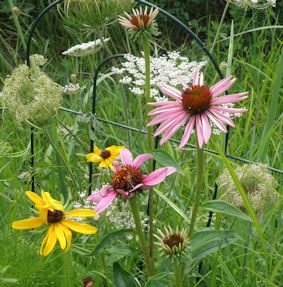
WHAT SEEDS TO PLANT: Many flower seeds were native to the Americas before they were commercialized, and are still favorites with the butterflies. Buy such native seeds as Milkweed, Coneflowers, Black-eyed Susans, Marigolds, Cosmos, Sunflowers, Coreopsis and Gaillardia. They are easy to plant, usually grow well from seed and bloom during the mid to late summer when butterflies are coming out of their cocoons in search of these familiar flowers. Bee Balm and Zinnias are not native to the Americas, but they are also favorites of butterflies and bees.
CAPTURED FROM THE WILD: Another source of seeds are those that grow every year in the wild along roadways or in empty lots. Milkweed pods can be found in September. Pick a few of the big bumpy green pods and take the seeds to your garden. Rub the seeds off the white fluff so they will not blow away but stay in your garden. Plant wild seeds in October because they need to go through the cold of winter, called “cold stratification.” This breaks down the protective coating on the seeds allowing them to absorb water by spring and begin to germinate and grow. Queen Anne ’s Lace, Golden Asters and Goldenrod turn to seed in the fall. Just pick the dried flowers from abandon lots and place them on the soil of your garden in late autumn.
HOME-MADE SEED PLANTER: An easy way to plant your store-bought seeds is to use an empty garlic powder or oregano shaker bottle to sprinkle your seeds at random. Simply take off the top that has the holes, fill the bottle with various flower seeds you have bought. Put on the lid and shake the bottle to mix the seeds. In the garden, just sprinkle the seeds widely over the bare soil. Even children can help with this easy way to plant. Do not bury the seeds in dirt. Water the seeds immediately to help them sink into the soil.
KEEP AN EYE ON THE WEATHER: If rain falls heavy at least once a week, there may be no need to continue watering your seeds. If many days pass without rain, you may want to water the seeds every two days. Seeds bought from the store in packets are planted in spring when the soil temperature reaches 70 degrees, past the time of any danger of frost. If you have harvested your seed from the wild, be sure to plant them in autumn.
A GARDEN IS A WORK IN PROGRESS: If too many weeds take over, just pull them out and plant more seeds. Give the garden time and it will reward you with flowers and butterflies.
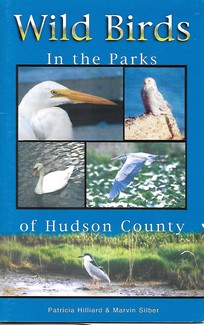
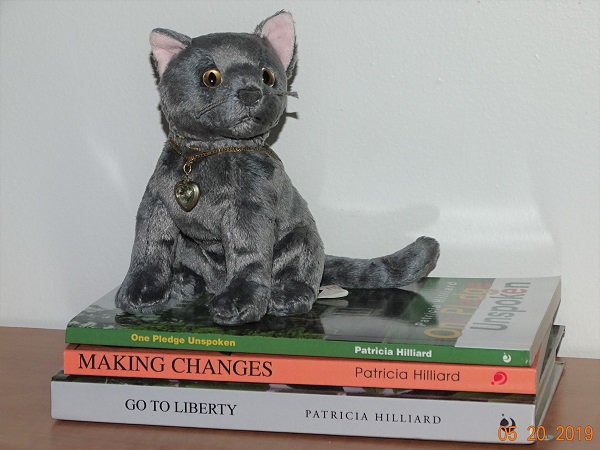
Patricia Hilliard guided friends to create a butterfly garden in Rutkowski Park in Bayonne, NJ. See the web site













enjoyed the read