The Azuchi-Momoyama period (Azuchi-Momoyama jidai) is the final phase of the Sengoku period (Sengoku jidai) in Japan. These years of political unification led to the establishment of the Tokugawa shogunate. It spans the years from about 1573 to 1600, during which time Oda Nobunaga and his successor, Toyotomi Hideyoshi, imposed order upon the chaos that had pervaded since the collapse of the Ashikaga shogunate.
The contrasting personalities of the three leaders who contributed the most to Japan's final unification - Nobunaga, Hideyoshi, and Ieyasu are encapsulated in a series of three well-known senryu that are still taught to Japanese schoolchildren:
Nakanunara, koroshiteshimae, hototogisu. (If the cuckoo does not sing, kill it.)
Nakanunara, nakasetemiyou, hototogisu. (If the cuckoo does not sing, coax it.)
Nakanunara, nakumadematou, hototogisu. (If the cuckoo does not sing, wait for it.)
Nobunaga, known for his ruthlessness, is the subject of the first; Hideyoshi, known for his resourcefulness, is the subject of the second; and Ieyasu, known for his perseverance, is the subject of the third verse.
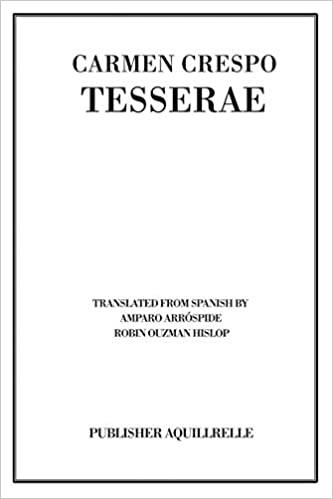
First Edition Translation of Teselas by Carmen Crespo X111 César Simón Poetry Prixe 2016 Translated from Spanish by Robin Ouzman Hislop and Amparo Arrospíde
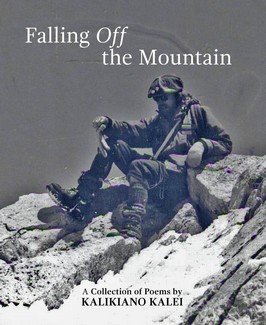
A further collection of poems, many from years in the Middle East, but also the California San Francisco and Central Coast areas (Santa Cruz, Carmel, Big Sur, Berkeley, etc.).


 Share
Share Print
Print Save
Save Follow



The Azuchi-Momoyama period (Azuchi-Momoyama jidai) is the final phase of the Sengoku period (Sengoku jidai) in Japan. These years of political unification led to the establishment of the Tokugawa shogunate. It spans the years from about 1573 to 1600, during which time Oda Nobunaga and his successor, Toyotomi Hideyoshi, imposed order upon the chaos that had pervaded since the collapse of the Ashikaga shogunate.
The contrasting personalities of the three leaders who contributed the most to Japan's final unification - Nobunaga, Hideyoshi, and Ieyasu are encapsulated in a series of three well-known senryu that are still taught to Japanese schoolchildren:
Nakanunara, koroshiteshimae, hototogisu. (If the cuckoo does not sing, kill it.)
Nakanunara, nakasetemiyou, hototogisu. (If the cuckoo does not sing, coax it.)
Nakanunara, nakumadematou, hototogisu. (If the cuckoo does not sing, wait for it.)
Nobunaga, known for his ruthlessness, is the subject of the first; Hideyoshi, known for his resourcefulness, is the subject of the second; and Ieyasu, known for his perseverance, is the subject of the third verse.
"If the cuckoo no sing," he no sing anything, wring that damn cuckoo's neck!
Ron