There was a lass named Purella
Who bedded a very odd fella
But when he refused to wed her
She locked him in his own cellar
He wished then he'd never met her
There was and old house in Kentucky
That neighbors considered unlucky
When it kept falling apart
It's owners soon lost heart
And moved to a tent in the park
A man in Manhattan loved cats
The cats in his condo loved rats
For breakfast, dinner and a snack
The landlord said promptly to pack
Now finally the rats are intact
A teenager yearned for a pony
Wanted it for herself only
When her dad finally said okay
She mucked out the barn each day
Wishing she'd never gotten her way
A pair of brothers were unruly
Treating their friends quite cruelly
when finding themselves ignored
They grew lonely and bored
and promised to act above board
When the Mayor of New York
Thought all his plans would work
He banned all treats from their plates
His voters became quite irate
So he left to retire in Cork
I am sorry that I missed this, Micki. I was in the Caribbean when you posted it and for eight days, I did not go near a computer, radio, or telelvision etc. I think you did a fine job eliciting humor. Thanks for the smiles.
Love and best wishes,
Regis
Here is the "official" take on limericks from an internet site on the subject of said poetry:
What's a limerick?
A limerick is a poetic form that can be particularly fun to read and to write. Limericks are often humorous, mean-spirited, or pornographic. I'll explain the form, and you can decide how down and dirty you want to get.
Limericks consist of five lines. The rhyme scheme is aabba. In other words, Lines One, Two, and Five all rhyme with each other, and Lines Three and Four rhyme with each other (in some limericks, Lines One and Five end with the same word and rhyme with Line Two).
Here's an example of a classic limerick by Edward Lear, where the first and last lines rhyme:
There was a Young Lady whose eyes,
Were unique as to colour and size;
When she opened them wide,
People all turned aside,
And started away in surprise.
Here's another example by Lear, where the first and last lines end with the same word:
There was an Old Person of Dover,
Who rushed through a field of blue Clover;
But some very large bees,
Stung his nose and his knees,
So he very soon went back to Dover.
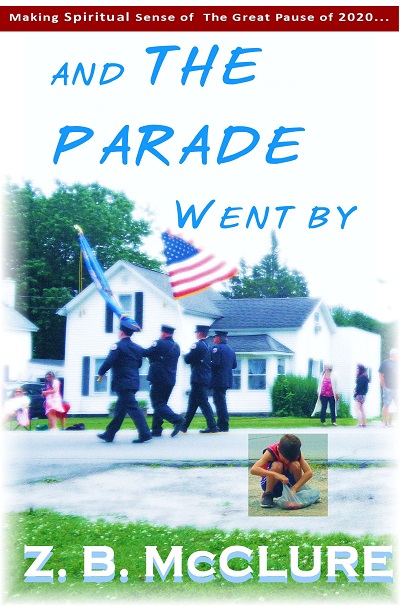
Questions, unquestioned discoveries, and answers in parable and rhyme…. This collection records a journey starting with a 1960s retrospective and the first man on the moon, moving to a new millennium welcomed in with a terrorist spin, family crises,


 Share
Share Print
Print Save
Save Follow



Great job, Micki ! Just need to change and to an in v.2, l.1 .
If only I was as good at proofreading my work.:_
Really, really enjoyed this.
How 'bout an encore?
xOx Phyllis xOx
Love and best wishes,
Regis
Here is the "official" take on limericks from an internet site on the subject of said poetry:
What's a limerick?
A limerick is a poetic form that can be particularly fun to read and to write. Limericks are often humorous, mean-spirited, or pornographic. I'll explain the form, and you can decide how down and dirty you want to get.
Limericks consist of five lines. The rhyme scheme is aabba. In other words, Lines One, Two, and Five all rhyme with each other, and Lines Three and Four rhyme with each other (in some limericks, Lines One and Five end with the same word and rhyme with Line Two).
Here's an example of a classic limerick by Edward Lear, where the first and last lines rhyme:
There was a Young Lady whose eyes,
Were unique as to colour and size;
When she opened them wide,
People all turned aside,
And started away in surprise.
Here's another example by Lear, where the first and last lines end with the same word:
There was an Old Person of Dover,
Who rushed through a field of blue Clover;
But some very large bees,
Stung his nose and his knees,
So he very soon went back to Dover.
The typical rhythm of a limerick is like this:
bah-BAH bah-bah-BAH bah-bah-BAH
bah-BAH bah-bah-BAH bah-bah-BAH
bah-BAH bah-bah-BAH
bah-BAH bah-bah-BAH
bah-BAH bah-bah-BAH bah-bah-BAH
Laughing with a lesson… I like that, a lot.
Ron