(Take 2 of my previous poem "tramping, scrawling, scratching." Usually, I don't unveil works in progress, but I decided to leave both versions posted since it's kind of like the sketch that leads to the painting. Why not enjoy both?) [grin]
I tramp the parching earth
dig for a core so deep
it erupts from the ground so far
it astounds the remotest star
I scrawl the secret dearth
unveiled through lack of sleep
that we clutch as our daily crust
till it crumples us into dust
We kick and scratch at birth
we cry and, dry, we creep
till we scream on the final night
as the possible slips from sight
The last stanza is so much better here than in "tramping, scrawling, scratching!" It's much more visual and says what you want to say in a much more visceral way.
This poem is a little morbid, as you say, but not altogether-- the core that the narrator digs for so deep is found and turned loose, astounding the remote star. This seemed like a kind of emotional or existential release to me. Anyway, the eruption seemed satisfying somehow when I read it. But then the narrator goes on to scrawl the secret dearth (the desolation, the lack of...?) I wonder how this poem would read if the first stanza became the last.... I would love for you to keep working on this-- it's such a terse, seemingly simple poem that the complexity "erupts" and "astounds" me. Great things are in this small package!
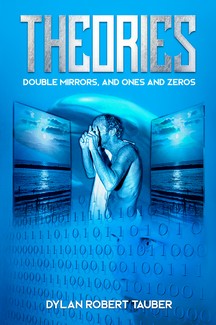
The Double Mirrors and Ones and Zeros theories, by Dylan Tauber. Parallel mirrors in our minds produce a vision of the infinite. Love is all that exists. Free PDF download.
This combined narrative dialogue and play is about the uncreated, unborn and undying transcendent Self of God-consciousness and Buddha-nature. It describes an odyssey of transcendent Consciousness Awakening and Remembrance.
A unique perspective about the reality of existence, the meaning of life, the true impact of relationships between human beings and all life as well as the spirit world, and the impact that everyone makes on the universe. (Available in Print or as an


 Share
Share Print
Print Save
Save Follow




This poem is a little morbid, as you say, but not altogether-- the core that the narrator digs for so deep is found and turned loose, astounding the remote star. This seemed like a kind of emotional or existential release to me. Anyway, the eruption seemed satisfying somehow when I read it. But then the narrator goes on to scrawl the secret dearth (the desolation, the lack of...?) I wonder how this poem would read if the first stanza became the last.... I would love for you to keep working on this-- it's such a terse, seemingly simple poem that the complexity "erupts" and "astounds" me. Great things are in this small package!
It may be short but it is to the point, life can also be short.
Robin