From my love for Betty Jane

“A human infant results from the conjunction of a man and a woman. A robot results from the conjugation of man with nature.” J.L. Moreno
HUPOKRISIS
Americans are admired the world over for their political freedoms and economic success, yet at the same time they are decried for their lack of civility if not their downright rudeness. They are evidently failing to adapt to the environment of their own making. So overwrought has the rat race for material success and the rudeness of the competitors become that pessimistic pundits foresee a colossal nervous breakdown in their gloomy crystal balls, an imminent economic and moral collapse if not an history-ending apocalypse of biblical proportions.
It is not that Americans are a bad people; quite to the contrary, they mean well, and many of them want to save the world, but they simply do not know how to act; notwithstanding their good intentions, they tend to make themselves miserable at home as their concerted actions wreak hell abroad. If the whole world is indeed a stage, they are seemingly the First World’s worst actors [Gk. hupokrités]. If only they could better adapt to the time-consuming pace, and behave nicely toward one another and the world at the same time, their psychological suffering might be substantially alleviated; they would lead happier and healthier productive lives contributing ever more to the constant growth of the gross national and global product, despite the falloff in legal and illegal psychotropic drug sales that would naturally follow.
As it is, many Americans are depressed and angry, virtual frustrated suicide-bombers or anarchists about to explode at any moment. If only they could act out their frustrations without hurting one another and blowing up the world to boot, they would be a lot better off. But anxious, alienated Americans lack acting skills, hence they are in want of a group therapy, one that would provide collective soup for their souls and cultivate their acting skills. Wherefore psychodrama group therapy races to the rescue. Houghton Mifflin lexicographers defined psychodrama as “a psychotherapeutic and analytic technique in which individuals are given roles to be extemporaneously played within a dramatic context set up by a therapist.
ABREACTIONARY PSYCHODRAMATIST
“Who Shall Survive?” asks the title of psychodrama’s bible, penned by psychodrama’s founder and inventor of group therapy, Dr. J.L. Moreno M.D., for whom the usage of the term “analytic” in our dictionary definition would be anathema to the extent it appertains to the Viennese competition, i.e. Freudian psychoanalysis and its talking cure. Jacob Levy Moreno grew up in Vienna, where in 1917 he received his medical degree and established a general practice; he ventured to the United States in 1921, and settled down in New York to save the world. Sigmund Freud’s unpardonable sin back in Vienna had been to abandon early reliance on emotional outbursts within cathartic treatment, not because Dr. Freud did not believe catharsis to be efficacious, but because he could not hypnotize or alter the psychic state of most of his patients as he wished in order to induce catharsis, so he directed his efforts to working with them in their normally repressed state of mind, tracing back the tokens of their disguises to troublesome repressed ideas in order to master them by conscious thought.
Dr. Moreno, on the other hand, was enthusiastic about the purgative effect of catharsis – if someone points out that catharsis is “abreactionary”, another definition might be conveniently added, to define catharsis as “integrative.” The cathartic effect is nothing new: cathartic magic and cathartic religious rituals among primitives are well recorded. The pythian procedures at Delphi are a case in point – the institution at Delphi with its far-flung Apollo and league of Greek states was a precursor to the Christ and League of Nations of our Common Era – the high priests thought the introduction of plays and athletic games would work the ruin of Greece. Aristotle long ago discussed the purgative effect that tragic drama supposedly had on audiences if not the hypocrites (actors) on stage. But several modern studies conclude to the contrary: dramatic violence, for example, tends to breed violence in its audience: witness the mounting numbers of seriously emotionally disturbed American children today who violently act out their conflicts, who are in fact cultivated to violence by grownups at such an early age that they may never outgrow or recover from their violent disposition. Whosoever is disposed to violence either by nature of nurture might very well advocate its cathartic effect, and claim that without its therapeutic practice, even more violence would be done. As we know very well, nothing brings people together like marching off to war elsewhere to keep the home front peaceful – the pretext hardly matters until heavy tolls are collected by the supreme commander, purportedly in order to improve the moral fiber of the race.
In any case, Dr. Moreno’s survivors shall evidently be souls cathartically enraptured by his socio-dramatic group therapy method for socio-metric adaptation, which he created after he asked himself what God would do, then played God’s part after creating God beforehand. “The genesis of psychodrama was closely related to the genesis of Godhead. I tried to draw in my mind a picture of what God looked like on the first day of creation…. Hovering over the chaos on the first day, he was there to create, not to take apart and analyze…. If he had started with psychoanalysis he would hardly have begun to create anything, the world would have remained uncreated. Therefore, I conclude that God was first a creator, an actor, a psychodramatist. He had to create the world before he had the time, the need and inclination to analyze it. He must have given a lot of good thought to the creation before he began with it….” Dr. Moreno does not explain exactly how God could give anything much thought without analyzing his will in terms of the objective alternatives that might be produced from chaos or inchoate subjectivity. Yet God somehow came forth with a coherent “masterpiece” that included blood, dirt, hunger and feces, along with birth and death, charity and love, sleep and dreams, so on and so forth.
“I took to anonymity, spontaneity and creativity like wood takes to fire and began with my Godplaying (sic) in the streets and gardens of Vienna,” enthused Dr. Moreno, who chose to take up “theatre instead of founding a religious sect, joining a monastery or developing a system of theology.” Dr. Moreno’s psychoanalysis of the original issue divided God into the god before the creation and the god after creation. Somehow the a priori divinity generated God: “This is the genesis of God, the Creator, rather than the genesis of creation.” Wherefore it would seem that creation was a spontaneous outburst of the inconceivable god, or, say, of the Nothing before God. Therefore spontaneity is one of psychodrama’s key fuzzy notions: “I took to anonymity, spontaneity and creativity like wood takes to fire and began with my Godplaying in the streets and gardens of Vienna. When I saw the title of Bergson’s book Evolution Creatrice I indignantly crossed out the ‘Creatrice’ – which puts the idea of evolution first – and wrote in its stead ‘Du Createur’ – ‘Evolution of the Creator’ which puts the idea of the creator first.” Thus was Darwin’s error of omitting the Designer from the Design was corrected by careful analysis: God was put back in the picture and evolution was salvaged as a subordinate idea.
Although Dr. Moreno admitted during his grandiose genesis of God and psychodrama that God might have conducted some analysis of Creation after creating it, fundamentalist psychodramatists have a native prejudice against that original serpentine sin, and they may even see psychoanalysis, or for that matter any other form of social analysis that results in an overarching theory, as the demonic work of God’s adversary, the archangel of divisive analysis who lords it over the planet; although, given their animadversion for any sort of one-god, one might think they would worship the devil for his rebellion in order to cast themselves in the most favorable light of the hellfire. In any case it appears that Dr. Moreno was subject to the modern psychological disease he would fain cure in others: in his delusion of god-like grandeur, he stood for the eclectic synthesis or unity of all the goods in the world; on the other side of the delusional coin, that of persecution, he feared having his heroic holistic practice disintegrated by enlightened psychoanalysis.
When Jacob Moreno was five-years old, he had told some children, ‘I am God and you are my angels,’ leapt from the furniture and broke his arm, and went on to organize ‘kindergarten on a cosmic scale, a revolution among children.’ During his spontaneous fathering of psychodrama, it had occurred to Dr. Moreno that “the genesis of psychodrama was closely related to the genesis of the Godhead, and that “the mind of God could not operate like the mind of a Buddhist or a psychoanalyst. Hovering over the chaos on the first day, he was there to create, not to take apart and analyze.”
“Behind the screen of telling fairy tales to children and staging psychodramas of a new society I was trying to plant the seeds of a diminutive creative revolution,” wrote Dr. Moreno “It was…intended as a demonstration against psychoanalytic theory of heroes and geniuses, then rampant in Vienna, that they are all mental patients, more or less, or at least touched by insanity. Therefore, I wanted to show that here is a man who has all the signs of paranoia and megalomania, exhibitionism and social maladjustment and who can still be fairly well controlled and healthy, and indeed, of apparently greater productivity by acting them out than if he would have tried to constrain and resolve his symptoms – the living antithesis of psychoanalysis, foreboding the protagonist of psychodrama. The only way to get rid of the ‘God syndrome’ is to act it out.”
HAMLETIAN ASIDE
Indeed, if only Hamlet had known as much and acted accordingly forthwith instead of pondering at length, the audience would not be left confused even after the deed was done. But then there would have been no play, nor a self-contradictory client or protagonist left for psychodramatic treatment. In fact postmodernist psychodrama needs Hamlet. The linear plot-line of brutal Amleth, who feigned madness until the opportune time to drive his fire-hardened point home, simply will not do. The confusion of our time must make of him our equivocating mouthpiece and thus ruin Amleth’s single-minded, fanatical character. Our Romantic postmodern protagonist must be a hypocrite (actor) divided against himself, a subject or self that is nothing in itself but awareness yet with a gestalt-intention to play several if not all roles at once; say, in Shakespearean time, proceeding according to the law of temporal continuity, where all is wrapped up withal in a holographic ball of wax. Our Hamlet must be mysteriously enigmatic and labyrinthine; he must be a philosophical procrastinator engaged in a titanic struggle to reconcile the tremendous forces within; he must be strong and decisive while weak and indecisive; he must be an absurd, irrational equation; he must be a veritable riddle; he must be an inscrutable, incongruous, incomprehensible, monstrous mess. Tolstoy had the courage to simply say that Hamlet was a bad play, the one that most of all revealed “the blind worship of Shakespeare, the unreasoning hypnosis which does not even admit the thought that a work of Shakespeare’s can be anything but brilliant or that one of his main characters can be anything but the expression of some new, deeply involved idea…. Since it is generally accepted that the great Shakespeare could not possibly write anything bad, scholars and critics have racked, and are racking their brains to discover some unusual beauty in an obvious defect…. Hamlet is an unsolvable riddle; but no one finds the courage to say that the emperor is naked.”
Well, then, we might offer an opinion that Shakespeare’s corruption of Amleth into Hamlet, and his insertion of his compulsive Romanic ironies into the plot, is in fact a brilliant personification of our status in the “underground” – as Fyodor Dostoyevsky put it of his less noble but equally confused protagonist, a universal double-bound character who “must exist” because contemporary social conditions mandate his existence. Dostoyevsky appreciated modern science but had no faith in its ability to save humankind by atomizing the universe: nor did he believe atheism would save the suffering race from God; as far as he was concerned, the appropriate remedy, notwithstanding the logical absurdity of religious tenets, had to be divine. The underlying hypotheses of psychodrama therapy obviously are derived from this arrogant prejudice against scientific reasoning or any other rationalizing power that might pin the freedom-fighting wrestler to the mat for the full count – at least Jacob limps away, for another match if the lesson was not learned – as we shall see below, Jacob Moreno broke his arm playing God. In any case, and fortunately for the practice of psychodrama therapy, the conclusion of Hamlet is inconclusive or unsatisfactory; it leaves us puzzled and disturbed; a much better play must be possible given better conditions.
NEWFANGLED RELIGION
Dr. Adam Blatner, M.D. is the leading expert on psychodrama’s virtues and is psychodrama’s chief advertising man today. While praising Dr. Moreno’s strengths at length in a book that has become the postmodern New Testament of psychodrama, Foundations of Psychodrama: History, Theory, and Practice, Dr. Blatner acknowledged his hero’s most obvious weakness, narcissism, or rather his frank expression of the self-infatuation enjoyed by our proud lot even in the pride of its feigned humility. Dr. Blatner, tracing Dr Moreno’s divisive path to divine unity, is accordingly not as generous with the psychoanalytic as with the psychodramatic: he takes care to dwell on the weaknesses of psychoanalysis without mentioning its strengths, including the fact that he himself frequently reverts to psychoanalytic theory to justify his psychodramatic practice. Such is human nature that it seems necessary to hate one thing to love another, even when espousing postmodern, pluralistic love for all – philosophical psychodramatists would have it both ways at the same time, an alchemical resolution of the apparent conflict between the One and the Many in their Stone; the Stone rolls back down, again and again, from summit to valley, and Sisyphus the Prisoner must heave it again and again – Albert Camus said Sisyphus gladly did so – we say the show must go on. In any event, Dr. Blatner places psychodrama in the context of social salvation. It is beyond medicine; it is part of psychotherapy. It pervades psychology applied to “education, business, social skills training, religion, recreation, community building, and personal growth,” Dr. Blatner expansively declares, in a briefer ‘Foundations’ republished on his website in 2006, noting that “this broader perspective was also the goal of the human potential movement. I am using psychodrama in its broadest sense, that is, the general thrust of Morenian ideas….This includes Moreno’s vision that his approach transcended the activity of healing the sick, psychiatry, and extended to taking on the challenge of healing the society as a whole….”
In effect, psychodrama is to become “a religion of a new sort,” wrote Dr. Moreno in the ‘Prelude’ to Who Shall Survive? The creed of the new salvation religion comprises three hypotheses: 1) “the hypothesis of spontaneity-creativity as a propelling force in human progress beyond and independent from libido and socio-economic motives…. 2) the hypothesis of having faith in our fellowmen’s intentions…the hypothesis of love and mutual sharing as a powerful and indispensable working principle…. 3) the hypothesis of a super-dynamic community based upon these principles….”
Dr. Blatner shares Dr. Moreno’s professional rationalization of messianic thinking and penchant for spiritualism. His magical and wishful thinking certainly jibes with the postmodern, New Age of Aquarius jive that fell out of fashion decades ago, while also retaining a scientific aura; thus can we have everything both ways at once. In a June 2007 interview with this author, Dr, Blatner said he was then occupied with devising an interesting variation of religion, implicitly more philosophical than theosophical. Its metaphysic is no doubt quasi-scientific as well, ala Madame Blavatsky’s synthesis of science and religion, given its association with one of the world’s greatest modern mathematicians.
“In the spirit of Alfred North Whitehead, whose philosophy I mention in my Foundations book, perhaps religion can also evolve. There are a number of folks wrestling with the point that mere atheism leaves one psychologically a bit bereft. Some folks manage it, others yearn, or suffer. There are forms of spirituality, some within a religion, some outside, that satisfy a fair number, but on the whole the mainstream hardly knows they exist. I'm in the process of trying to put together a special issue of ReVision: A Journal of Consciousness and Transformation, that is dedicated to the process philosophy of Whitehead and others, in order to present a lively synthesis or refinement. It is possible to be moderately more rational and also spiritual.”
PUTTING GOD BACK INTO THE MACHINE
In The First Book on Group Psychotherapy (1931), Dr. Moreno stated that he had, for the first time, put the terms ‘group therapy’ and ‘group psychotherapy’ into circulation that such therapy might be “studied within the framework of empirical science.” That overarching empirical science, lyrically described in Who Shall Survive?, would be Dr. Moreno’s science of “sociometry,” the measurement and manipulation of social relationships, represented and consequently popularized in major newspapers including the New York Times with pictures of “sociograms” and “sociometric” cartoons illustrating stories and editorials about the new metrical science, from which was derived, he said, highly respected “social microscopy and group dynamics, group psychotherapy, role playing and interaction research, psychodrama and sociodrama.” Sociometry would recover the spontaneity-creativity people had lost when social constructs, which he called robotic “cultural conserves,” had subjected them to demented mechanical activity. The human being or man, psychodrama therapy’s protagonist, would be stripped of his conservative clothes, down to his or her pre-conserve or natural state, and be virtually born again, and psycho-dramatically educated to make good use of the social robots or pivotal tools such as language, playing with them as an uninhibited child spontaneously plays with dolls; by doing so socio-metrically, man himself would be made over into maker and master of his machine rather than its product and slave. His super-dynamic society would no longer be governed by the comforting illusion of perfectly finished products. The sociometric society would be governed by “the principle of a sociometric and sociogenic democracy – a commonwealth in which the equality of opportunity is extended to the unborn; it includes and gives equality of rights to three classes of people, the unborn, the living and the dead. All men are equally unborn before they are born.”
Furthermore, “The weakest point in our present day universe is the incapacity of man to meet the machine, the cultural conserve, or the robot, other than through submission, actual destruction, and social revolution. The problem of making over man himself and not his environment alone has become outstanding the more successful technical forces prosper in the realization of the machine, the cultural conserve and the robot. Although the development of these is far from having reached its peak, the final situation of man and his survival can, at least theoretically, be clearly visualized.”
In his struggle with his god, during his attempt to remove god analytically and replace him synthetically, Dr. Moreno compromised himself and made a best friend of his enemy. And are we not all conditioned by our enemies? Does not god need most of all that devil who is the true st monotheist because he stubbornly refuses to love man? Thus is all at stake.
“The meaning of the title of this book WHO SHALL SURVIVE? is the survival of creativity, of man’s universe. The survival of human existence itself is at stake, not only of the fit; fit and unfit are in the same boat. These new enemies are common to all men, not only to one or another group: they are threats to the survival of the total universe of men. These odd enemies are technical animals which can be divided into two classes, cultural conserves and machines. The more popular word for them is robots.”
Man had fashioned god into a machine, and when the machine took him to destructive task and made a zombie of him, he would, if only he could recover a modicum of consciousness, put god back into the accursed machine as its non-rational designer and driver. No doubt Dr. Freud, an epitome of the rational apostle of the Enlightenment notwithstanding his tribute to the unconscious forces within man, had fashioned a new-fangled god named Psychoanalysis, a god who viewed man as some sort of electro-hydraulic mechanism. Although Dr. Moreno’s god of psychology was conditioned by psychoanalytical constructs, he took care to frequently disparage the archenemy’s works, psychoanalytic therapy, which he considered to be too one-sided and passive to be of much help to people in need of therapy. We observe that his overarching theoretical bias against modern analytics dovetails with postmodernism’s so-called pluralist antipathy towards “linear thinking” and overarching monist theories, and coincides with the postmodern penchant for many gods, a god within each person, perhaps in partnership with an almighty god. Many godly individuals of this sort, by virtue of their love for the invisible, overarching god, believe that their one-god is better than all the other one-gods put together as God per se. In any case, ostensibly self-directed and self-responsible, psychodrama protagonists, guided of course by licenses representatives of the divine director of the cosmic drama, will take on the role of a higher power, play God, as it were; and then, released from the rigid, authoritarian “linear thinking” of discontented civilization and hence rid of the deficiencies blocking their warming-up process, alternative solutions to life’s existential problems shall spontaneously emerge, from which can be selected the most attractive ones to see how they play out.
In other words, Dr. Moreno’s psychodramatic therapeutic would afford an acting-cure rather than a talking-cure, a dramatic-art cure based on the assumption that acting out problems is more effective than talking them through. Psychodrama pretends to reject the other-direction of an analytical authority. The producer-director therapist of psychodramatic improvisations is more of a facilitator, who keeps the action within certain psychotherapeutic bounds, than the authoritarian director of a scripted play, who holds actors to the playwright’s lines and otherwise dictates what is done and how. Of course fundamentalist psychodrama’s mental idols are in political accord with the individualism of postmodern society, where each existing individual is his or her own little king or queen, so to speak, if not a god, hence s/he is first of all self-responsible. Such an individual or category-of-one would of course essentially be by definition or lack of definition relatively free or absolute free. Reborn into infantile omnipotence, no resistance would be brooked; the un-commanded commander’s or god’s conduct would be beyond good and evil: the active substance could not to be pinned down or defined by law or analysis. Everything would be spontaneously acted out in the Now, where instantaneous success may be had. Yet in group psychodrama egotism would of course be balanced by social influences: group participants would develop the social skills they probably were lacking until they came into an intimate, confessional relationship with one another, and learned that their social and basic existential problems were hardly unique. The presence of hopeful others and the mutual-help aspect of the cooperative playacting produces feelings of camaraderie and social coherence; at best, mutual love. Still, the cooperative individual may feel that s/he is master or mistress of fate; if not the one and only creator, or a co-creator in partnership with the Creator at the very least. No doubt everyone who plays a part in this grand socio-metrical scheme shall be saved, and thus shall society be healed of its ills.
MONETARY HYPOCRISIS
The psychodramatic healing of society as a whole can play second fiddle to making money – of course there are economic animals who believe that money is God and that the possession of a great deal of it is therapeutic if not salvational. For example, the number of lawyers who use psychodrama techniques in their practice is swelling. Lawyers are notorious for their lack of empathy. But now personal injury lawyers who want to get emotionally involved in their cases to make their presentations more convincing might, for instance, stick their heads out the sun roof of an automobile to feel the rush before being thrown from a motorcycle speeding along the highway, and then lie down beside the road and imagine the anguish of waiting for an ambulance. A plaintiff’s lawyer may pretend to be the defense attorney, and vice versa, to understand their adversary’s perspective on a case by getting into their shoes, so to speak. Groups of attorneys gather regularly at Walnut Creek, California and other locations to blend theater, group therapy, and spiritual exploration to improve their practices. Criminal defense lawyer Gerry Spence, author of Bloodthirsty Bitches and Pious Pimps of Power, best known for his defense of Randy Weaver, the fundamentalist patriot who defended his homestead in Ruby Ridge from a murderous onslaught by a ruthless gang of U.S. Marshals, is the foremost psychodramatist of the legal profession. Psychodrama courses are offered at his Trial Lawyers College, a summer school for lawyers near Grand Teton National Park – government lawyers and corporate attorneys are not welcome. Mr. Spence and his colleagues also run regional seminars around the country. The lawyers involved obviously feel psychodrama techniques get them better results; however, statistical evidence is not offered to support their positive feeling. Rick Simmons, a California trial lawyer, warns that what might be good for Mr. Spence might not be good for his imitator, whose performance might seem phony in court. Indeed, amateur drama lawyers might very well be deemed hypocrites if their performances do not come off well, losing credibility before a jury. (September 28, 2006 The Recorder, ‘Lawyers Practice Psychodrama to Get in Touch With Clients’ by Matthew Hirsch)
Sales training classes are an even more obvious place to rehearse manipulating people out of their money. William Dunkerley conducted a psychodrama sales workshop in Bulgaria on how to sell advertising space for newspaper and magazine publishers. Some participants had good selling ideas but had not converted them to successful selling behaviors. He described how the “players” were warmed-up to play roles before the action proceeded, and then a bad sales approach was played out by the protagonist (the player illustrating the theme) for the participants to reflect on and describe how they felt. Mr. Dunkerley explained the problems with the ineffective approach, and solutions were explored. The protagonist of scene two demonstrated the successful sales technique and played out taking the order. The group explored the contrast between the ineffective and effective techniques. Mr. Dunkerley described the essential elements of successful selling, the had the participants draft a general plan for implementation; each individual in turn was asked to described their individuals plans to the group, and members of the group would provide some feedback. “At the end of the Sofia workshop,” Mr. Dunkerley concludes, “The once beleaguered advertising director from Burgas came up to me. She thanked me profusely and exclaimed that she would remember the lessons she learned for the rest of her life. I’ve since used the psychodrama methodology in subsequent workshops…. The results have been so encouraging that, you know, I think I’ll start using psychodrama in place of role playing with my American clients, too!” He does not enlighten the lay reader as to the technical difference between psychodramatic role playing, referred elsewhere in the literature as “role taking”, and the role playing he apparently used for his American clients, so we shall have to discover that distinction elsewhere. Unfortunately, he does not describe any results other than the comment of the advertising director at the end of the Sofia workshop. Having good feelings at the end of workshops is nice, but if only we had hard sales figures before and after the workshops, we might have some indication that psychodrama is commercially viable because it really works, and feel even better. (February 7, 1996: www.publishinghelp.com/media)
Secondary psychological benefits to students of classical dramatic training, i.e. drama designed to entertain an audience, are touted throughout the dramatic arts industry. We have heard much about truth in acting but little about its professional cultivation of hypocrisy – the hypocrite (actor) is not the person s/he plays or pretends to be. Drama students may do a considerable amount of self-spelunking and emotional acting out to distinguish their true self from its many roles, aided by careful observation of the motives and behavioral characteristics of particular persons, whose roles they play from time to time, as well as the behavior of people in general that such behavior may be more accurately mimicked so their pretenses on stage might seem more authentic. One might think that this process would result in a better understanding of human nature and would cause the student to better adapt himself to society, to become a well balanced or adjusted person. But a distinguished group psychologist and prominent professor of psychology informed this author that actors are among the most disturbed people around, many of them having been attracted to acting in the first place because of their neuroses. He said that drama in itself does little to resolve their issues, and often aggravates their personal disturbances and social malfunctioning, especially if they are subject to fugues and temperamental fits or have grandiose ideas about themselves. He claimed that acting angrily, for instance, does not relieve a person of his anger but tends to make him even more prone to angry outburst and recriminations. It is better to know than to feel, better to analyze problems than to repeat them; and then one may deliberately behave in a better way – better feelings will follow. Symptomatic emotional behavior represents the problem not the solution. In any case, he said, the best drama coaches will play down overly sentimental acting altogether except for the soap-opera genre. We must note that he did not want his identify disclosed for fear of losing business; many of his well-heeled clients are employed by the entertainment industry. He said he recruits group therapy members on Broadway and private clientele in gay bars on the Upper West Side, and that he had been attracted to psychology because of certain personal doubts he had about his penchant for promiscuous sexual intercourse – his friends regard him as a bisexual sex fiend, a Casanova who really believes he is in love with his conquests, and warn him that his seduction of students and patients will eventually result in professional disaster.
UTILITARIAN PSYCHODRAMATICS
Given human nature to mimic others and to imagine the future and rehearse behavior, we are nevertheless inclined to believe that psychodrama, or drama for the psychological or psychosomatic benefit of its players, would be a useful therapeutic tool in the hands of professional psychotherapists with medical degrees if not drama instructors. There are a few readily available reports to the effect that psychodrama therapy really works for the greater happiness of its casts. For instance, the Department of Psychology at the University of Stockholm conducted a study of patients suffering from gastrointestinal disorders – irritable bowel syndrome and dyspepsia – to determine whether psychodrama and relaxation training produced a decrease in symptoms in comparison with a control group. The results were based on self-reporting by patients. Both the special-treatment group and the control group reported a decrease in symptoms 6 months after the three-month experiment, followed by an increase of symptoms after three years. However, the individuals from the special-treatment group who reported that they had learned a new behavior immediately after the sessions were somewhat more likely to report fewer symptoms of irritable bowel syndrome after three years. The psychodrama/relaxation-training group experienced less anxiety 6 months after the therapeutic sessions; a similar improvement was not reported by members of the control group. Psychotherapy & Psychosomatics, 1989; 51(3): 113-9.
And in a study of non-psychotic, depressed male patients at Shahid Chamran University in Ahwaz, Iran, researchers concluded that “psychodrama group therapy as such proved to be reliable, effective and affordable method of treatment for depression.” The subjects were divided in three groups of eighteen. Each group received either psychodrama group therapy or conventional psychiatric treatment, or a combination of both methods. The tests used were the Beck Depression Inventory and the short form of the Minnesota Multiphasic Personality Inventory. The researches found that psychodrama was significantly more effective than conventional psychiatric treatment, and also better than a combination of psychiatric treatment and psychodrama group therapy. Indian Journal of Clinical Psychology, March 1997
The majority of favorable outcomes have of course been reported by the practicing psychodramatists who conducted the studies, and have appeared in The Journal of Group Psychotherapy and Sociometry, the naturally biased publishing organ of psychodrama group therapy, a professional journal founded and originally edited by J.L. Moreno, M.D. A rather strained study of 12 adults was reported by Kwang Woon Kim in that journal (Winter 2003). Kim confessed that “many controversies about the therapeutic effects of psychodrama exist. Many therapists report strategies and case studies, but their conclusions drawn from empirical studies are inconclusive. Because previous studies on the effects and validity of psychodrama have not yielded consistent results, psychodrama therapists are confronted with a challenge. For a long time, researchers…did not realize the significance of quantitative approaches…. Some researchers…refused scientific support because most research on psychodrama takes an ethnographical approach and consists of commentaries of directors based on client’s personal experiences.” Therefore, reports Kim, “I examined the effects of psychodrama in a quantitative way.” He used mathematical scales to assess variable self-reports, and he and his three assistant directors concluded that the experience of the “protagonist” among the twelve participants was more therapeutic than that of the “audience,” the participants who observe and talk about the psychodrama instead of acting it out as the protagonist does. “In the present study, the protagonists experienced the therapeutic effects more deeply than the audience members did. According to the trend analysis about how the therapeutic effects changed, a curvilinear trend was evident, which I concluded meant that the therapeutic effects were highest during the experience of being the protagonist.” The conclusion and the course taken to it would be laughable if it were not for the naïve sincerity of the researchers. We are not very impressed that the researchers managed to quasi-scientifically confirm that actually doing something makes a greater experiential impression on the doer than on those who observe him doing it, even though the audience as well as the directors have a stake in the play by playing the part of the audience and directors. The question as to whether psychodrama has any impact on behavior off-stage remains open. Quantification does not render self-serving, group-research legitimate or eliminate crude empiricism.
INUTILITY ON THE OTHER HAND
On the other hand, a number of studies contradict the positive findings; for instance, a study of 63 borderline inpatients conducted by the Department of Occupational Therapy at Haifa, Israel, found dynamic psychotherapy and therapeutic game-playing was perceived as more beneficial than psychodrama by the patients themselves, as reported on self-administered questionnaires. Group, September 1996. In fact many psychologists are skeptical about the positive reports, especially because of the small number of subjects in the studies, which tend to render the results merely anecdotal. Successful outcomes were most often gauged by self-reports, that is, questionnaires regarding how subjects felt before and after psychodrama sessions, rather than on objective observations of their behavior.
A study of the effects of “creative drama” on self-concepts, social skills, and problem behavior of 237 schoolchildren was published in the January-February 2003 edition of The Journal of Educational Research. A burgeoning number of children of our selfishly aggressive and often violent society have behavioral problems, such as those loosely defined by the catch-all category, “seriously emotionally disturbed.” The study notes that scholastic achievement has been impeded in recent years by “behavioral problems” due to adverse social influences such as television, which encourages aggressive behavior in children. As a result, schools are often preoccupied with managing the behavior of problem children instead of educating children. We might offer that too little attention is given to the moral education of children in schools because generally irresponsible parents would consider such an education socialist and anti-American, something offensive to their own, individualistic mores. But still something must be done besides drugging bad behavior. High hopes had been pinned on advertised ameliorating effects of “creative drama, dramatic experiences designed for the benefit of participants, [that] provides an opportunity for participation in activities that require students to role play, to analyze roles, and to work cooperatively in creative tasks requiring emotional control. In the present study, we investigated the effects of creative drama on student self-concept, social skills, and problem behavior of third- and fourth-grade children.” But the high expectations for creative drama were let down by the facts: significant treatment results were not found for any of the dependent variables.
“Even though treatment effects were not significant, the robust design of this study, in a field with few empirical studies, makes the findings noteworthy. In addition, the creative drama activities were implemented in a manner applicable to a whole-school setting. The findings of the study suggest that creative drama will not significantly improve self-concept, problem behavior, or social skills of third- and fourth-grade children.”
CONVENIENT ECLECTICISM
The editors of Journal of Group Psychotherapy, Psychodrama and Sociometery (Summer/Fall 2002), in their ‘Introduction to the Special Issue on Cognitive Behavioral Therapy and Psychodrama,’ noted that psychodrama has been viewed as a ‘fringe’ therapy, and that it is considered more of a theatrical device than a therapeutic one, even though clinicians and counselors of different theoretical persuasions have adopted psychodrama’s “pivotal psychodramatic concept,” role playing, in their practices. After all, if you can’t fight ‘em and win, you might as well join ‘em. Better yet if you can maintain the integrity of your own orientation by co-opting the best practices of the winners and justify your apparent hypocrisy philosophically at least, with eclecticism.
Dr. Blatner, psychodrama’s foremost eclectic, claims that “eclecticism can be grounded at a very deep theoretical level.” He discusses his hypostasis in his book, Acting-in: Practical Applications of Psychodramatic Methods (1997). “Indeed, I challenge the very idea that it’s acceptable to have different ‘schools of thought,” he wrote. “Such an attitude is more fitting with a system of religions than anything in the sciences…. The idea that one theory of psychology which applies to all psychological and psychiatric problems is absurd,” stated psychodrama’s “confirmed eclectic” and interdisciplinary enthusiast in the authoritative paper favoring his own sect of practitioners, ‘Theoretical Foundations of Psychodrama’.
We are mindful of realistic painter Eugene Coubet’s famous anti-scholastic remark to the effect that there should be no schools, just painters. Despite Dr. Blatner’s ambiguities, or rather because of them, we certainly understand where Dr. Blatner is coming from, and we sympathize with his metaphysical underpinnings or “theoretical foundations” even though medical science is empirical hence eschews overarching metaphysical theories; blasphemous, modern science denies that philosophy is the queen of all sciences. Modern science theoretically divorced religion and its sophisticated child, philosophy, the enduring consolation of many a disturbed human being – philosophy is presently experiencing a revival as anxious and alienated people turn to philosophers for relief.
Metaphysics climbs the mountain of generalizations to the arrogant pinnacle, and then takes the fatal leap of faith into Supreme Being or Absolute Nothing, whereas physics strives for a unified theory universally applicable to definite things. Of course the thing-in-itself is inconsequential. The term ‘science’ once connoted knowledge of all things, but agnostics suppose that the infinite-in-itself, the thing-in-itself or Thingie that atheists ignore is inherently unknowable; now science is only applicable to definitely measureable or material things. Dr. Moreno wanted to maintain the old alliance between science and religion. Although he was regarded as a crackpot and charlatan misunderstood by the religious and scientists alike did not hinder him in the development of the technical innovations he hoped would establish his utopia. He thought it “curious” that his technical innovations eventually made his socio-metrical technique famous but that its “underlying philosophy of life” was “relegated to the dark corners of library shelves or entirely pushed aside.” The spiritualist faction of the back-to-Kant movement had saved science and religion from destructive conflict by isolating them in different compartments. Sociologists were biased against such compartmentalization, Dr. Moreno noted, but in fact they could be kept apart by ‘role playing.’
“It must be added that the positive religion which I offered was just as much in contradiction and opposition to the official religions as it was to the agnostic, psychological and political doctrines of our time.” And, he emphasized, “I tried to do through sociometry what ‘religion without science’ has failed to accomplish in the past and what ‘science without religion’ has failed to accomplish in Soviet Russia.”
Dr. Moreno was obviously more of a wisdom-scientist or wisdom-lover (philosopher) than a scientist in the modern sense of the term – indeed, some philosophers hold that the social sciences are not sciences in that sense, but are rather arts of living the so-called good life. Aristotle was not averse to the advancement of physical or empirical science; he noted well that physicians do not cure Man in general but rather individual men; “If, then, a man has the theory without the experience, and recognizes the universal but does not know the individual included in this, he will often fail to cure; for it is the individual that is to be cured.” Still, Wisdom is found in universal: he defined it as the “knowledge about certain causes and principles,” namely, “the first causes and principles of things.” After all, “We do not regard any of the senses as Wisdom; yet surely these give the most authoritative knowledge of particulars.” Moreover, the most universal things “are on the whole the hardest for men to know, because they are farthest from the sense.” First of all, “We suppose first, then, that the wise man knows all things, as far as possible, although he has not knowledge of each of them in detail; secondly, that he who can learn things that are difficult and not easy for man to know, is wise –sense perception is common to all, and therefore easy and no mark of Wisdom.” The wisdom-science is the science “which knows to what end things must be done” and is therefore “the most authoritative of all the sciences.” The ends of things are of course “the good of that thing, and in general the supreme good in the whole of nature.”
Dr. Moreno and the like eclectics would have it both ways in respect to the universal and particular. If philosophy is the love of wisdom, let wisdom be recognized wherever it is found. Let us be eclectics, then, and not be so infatuated with of our own schools of thought that we exclude the wisdom that might be found in others that tend to the good end of humankind. In the willingness to embrace the good of all ends wherever they are found, one might not find good perfectly defined. The most universal thing of all is, after all, not a thing at all: it is an inchoate substance impossible to grasp or to intuitively apprehend other than in the timeless mystical instant: it is our motive for reaching for the stars, for going where no man has gone before – a good woman might even command the starship if not the fleet. So let us have some doubt about all the goods eclectics find. Let love of wisdom free us from the common ground we tread, not bury us in a hypostasis. In fact eclectic philosophers have notorious for their skepticism as well as for making nonsense out of common sense. Potamon of Alexandria was one of the first philosophical heretics, and many others thrived along with pantheism thereafter. The Christians effectively suppressed eclecticism for many centuries; its demise is most notably marked by the murder of the famous female philosopher, Hypatia, allegedly at the alleged behest of the malicious, now sainted Cyril of Alexandria.
Christians of course are not all fanatical inquisitors: in 1688, liberal thinker Christian Thomasius, who adhered to the notion that philosophy was a collective enterprise, wrote: “I call eclectic philosophy not what depends on the teaching of an individual or on the acceptance of the words of a master, but whatever can be known from the teaching and writing of any person on the basis not of authority but of convincing argument.” Christian Thomasius, philosopher, jurist, and pioneering thinker of the German Enlightenment, would probably have warm relations with psychodrama philosophers like Adam Blatner if they were contemporaries. Christian was the son of Jacob Thomasius, the Aristotelian philosopher who taught Gottfried Wilhelm Liebniz. Christian was apparently not of one mind with his subtly thinking father, for his more simple-minded followers would eventually displace the Aristotelian pedants in the German universities. Christian’s eclecticism, however, kept him from joining their attacks on the doctrines of Christian Wolff, the professor of mathematics and natural law whom Immanuel Kant called “the greatest of all rationalists,” whose strict scientific method was predicated on “the regular ascertainment of principles, the clear determination of concepts, the attempt at strictness in proofs, and the prevention of audacious leaps in inferences.” Counter-Enlightenment thinkers begged to differ with Wolff’s exceptionally enlightened mode of thinking, which they deemed fanatical for its adherence to strict principles; postmodernists take umbrage with it to this very day in hopes of dimming its light, or, for that matter, with any other expression of certain principles, particularly when scholastically stated. Johann Georg Hamann, foremost literary proponent of the Storm and Stress movement and founder of the so-called German theology of the irrational, was the hero of attacks on the German Enlightenment in his time and is the darling of today’s regressive postmodernists. Kant, by the way, was acquainted with Hamann, thought him a bit mad, lent him money and got him a job working in the tax department for the enlightened monarch, Frederick the Great, whom Hamann duly despised. Hamann in turn loved to bait Kant with various attacks on his philosophical system. Hamann believed that the intellect can only succeed in dissecting the cosmos into so many particles or particular unities, but reality is in truth a vital unity of coinciding opposition that cannot be apprehended by reason, which is embodied in language and is historically relative, or traditional. The Unity or Absolute is available to faith alone.
The eclecticism of Christian Thomasius forswore fanaticism, dogmatism and intolerance: Thomasius vigorously deprecated sectarian quarrels between schools. His brand of enlightenment by natural reason denied that divine revelation is the source of law; he repudiated the Lutheran doctrine that theology was superior to jurisprudence. Law, above all, at least as far as this jurist and professor of law was concerned, should be based on common sense, just as philosophy should be practical and empirical, its knowledge obtained through the senses alone. He normally abhorred metaphysics as absolutely harmful. Churches must be subordinate to the state lest intolerant bigots govern the lives of citizens. Ethics, of course, must be Christian, presumably based on rational love – that is to say that our love should be reasonable, meaning that we should love God and fellow Christians and what is good for humankind. Thomasius managed to keep one foot in religion while basking the other in natural law: as a pious Christian he held that Enlightenment per se, that is to say the Light of lights, namely the one and only Truth, can only be found in the Holy Bible. But each group and individual had a right to interpret that Bible and God’s laws according to their own lights. As for the natural light, Thomasius suffered a personal crisis, and lost all faith in its power during his ten-year Pietist period. This reactionary interlude took on shades of the counter-Enlightenment. He gave no truck to human goodness and freedom. It was during this period that he did in fact embrace a sort of mystical or theosophical metaphysics; to wit: both matter and spirit are illuminated by God. In the final analysis, he remained an individualist, and always spoke of “my philosophy” rather than that of some authority, a position not antithetical to mysticism or to philosophical anarchy for that matter, neither of which are friendly to authority.
The human creature is ambivalent and hence is prone to unwittingly come down on both sides of an issue while insisting on one side of the coin or the other. Perhaps some ineluctable force propels progress via a coincidence of opposites. Generally speaking, anti-authoritarian eclectics embraced enlightenment and progress, and took it upon themselves to eliminate superstition from mental and physical science. One of the most famous eclectic philosophers in his time, Victor Cousin (1792-1867), is barely mentioned today, and then is highly regarded not for his philosophy, which professional philosophers regard as mediocre because of its eclecticism, but for his eloquent contributions to the modern field of intellectual history. Professor Cousin defined history as the progress of freedom. He tried to “select in all systems what appears to be true and good, and consequently everlasting – this, in a single word, is eclecticism.” His detractors said his students researched and wrote his most famous book on ancient philosophy, and that he failed to give them credit. Hegel accused him of stealing his soup. Minister of Education Cousin’s eclecticism was more or less of a romantic and humanist reaction to the materialistic aspect of the Enlightenment. His eclectic posture was called Spiritualism. In America, he was best known to the New England Transcendentalists, who misinterpreted his discussion of Kant’s idealism to mean that an individual might have immediate access to or noumenal intercourse with the Supreme Being.
On the other hand, and contrary to Dr. Blatner, M.D.’s confession of the profundity of eclecticism, there are many philosophical arguments to the effect that eclecticism is a philosophical hodgepodge of contradictory and logically absurd notions, at best mediocre in general, and at its worst, superstitious. That corresponds with contradictory human nature hence there is some truth in it. The high priests of psychoanalysis and professors of behaviorism often behold New Age psychodramatists as postmodern charlatans. Psychodrama therapists might defend their profession and raise their status with medical degrees and licenses to practice medicine – surely a quack could not get a license to practice medicine in the United States. As for religion, true believers say that believing whatever one wants to believe because he thinks it is true is not religion at all unless it is religious atheism. Suffice it to say that the purity of a school or cult, if one has one, can only be corrupted by alien truths.
JOINING THE ENEMY
Research into the effectiveness of psychodrama therapy has been tainted by the unintentional and intentional utilization of other psychotherapeutic methods upon which successful outcomes might very well depend, methods that psychodrama therapists have deprecated in the past and are now anxious consciously embrace. If your school of psychotherapeutics, which may be an anti-school school, is not as effective as you would like it to be, the principles of another school might be adopted to reinforce your own notions by virtue of association, even though those principles were held to be contradictory by the founders of your own school.
Sometimes eclecticism is stretched so far over antinomies that one wonders if eclectics have any principles at all except for the principle of being unprincipled and absurd. Now it appears that progressive psychodramatists have embraced the school of cognitive behavioral therapy. Kenneth W. Treadwell, V.K. Kumar and Joseph H. Wright deliberately combined and applied psychodrama and cognitive behavior therapy to groups of college students diagnosed with personality disorders. The importance of filling out questionnaires was stressed to group members: the Beck Depression Inventory, Anxiety Inventory, and Hopelessness Scale. The authors found that, “for optimal results, the preferred size of a group is between 5 and 10 members,” and that cognitive behavior therapy was helpful in all three formal phases of psychodrama therapy – the three phases of psychodrama are Warming Up, Enactment, and Sharing. See: ‘Enriching psychodrama through the use of cognitive behavioral therapy techniques.’ The Journal of Group Psychotherapy and Sociometry 2002 Summer-Fall; 55(11).
The objective of cognitive behavior therapy is to eliminate “unrealistic” or harmful beliefs by identifying them, analyzing them, and rationalizing “realistic” beliefs until they become a better habit of thinking; the pattern is then incarnate, as a be-loving or belief. The role of meaning is the key factor. Cognitive behavior therapy is based on the traditional belief that emotions can be rationally controlled – the best known form of cognitive behavior therapy is aptly called rational-emotive therapy. That belief is ironic given the fact that people suffering from obsessive-compulsive disorder not only feel inordinately responsible for everything gone wrong, and think that thinking of doing ill is the same as doing it, and therefore believe they are evil persons, but they also believe they should subject themselves to thought control – yet the more they would not think of something, say, by thinking of something else, or thinking realistically, the more that thought may plague them. To claim that the beliefs about thoughts and not the thoughts in themselves are the cause of emotional disturbances, is to say that thoughts about thoughts are problematic; so one has, in a way, avoided the question semantically.
No doubt ambitious cogitating adepts would eliminate cognitive dissonance due to hypocrisy and rid themselves of necessarily mistaken beliefs about reality in favor of having faith in Nothing; after all, Nothing is perfect. In any case, and despite the fact that people often behave contrary to their stated beliefs, common sense informs us that what a person believes about events including the symbolic events called thinking may influence his or her behavior.
Since everyone has unwanted thoughts, it is said that it not the undesirable thoughts themselves at the root of the disorder but rather what one believes about those thoughts. A person suffering with an obsessive-compulsive disorder engages in compulsive ritual behavior to escape from intrusive, unwanted, obsessive thoughts. An imaginative woman may love a man very much yet occasionally think of castrating him while he sleeps, boiling his severed member and serving it to him as a hot sausage, but she writes the thought off as just another antithetical and silly thought that naturally ambivalent people have once in a while, something that one should not take seriously or superstitiously. Yet another woman, unable to dismiss the thought, takes it seriously, thinks it time and time again, feels guilty, and attempts to avoid repeating the thought by engaging in the compulsive cleaning of carrots incidental to the preparation and freezing of large quantities of carrot soup. She may be aware of how unrealistic her behavior is when she is purchasing deep freezers, but she will not laugh it off as silly: she will defend it for dear life by repeating it time and time again, and then offer all sorts of reasons why she can not do the homework her cognitive behavior therapist would have her do, such as keep a diary – she may insist that it might fall into the wrong hands, that the information would destroy her career; a career that may be compulsive.
As we have seen, the merely symbolic activity of unwanted thoughts might be equated, as they are in sacred texts, with action, leading a person, for example, to feel defiled, guilty of some known or unknown evil for which punishment is imminent, leading that person to panic, or to compulsively repeat some cleansing ritual to avoid that panic. The panicky experience is so great that the expected pain of the imagined punishment itself pales in comparison to the painful fear of it; the feared punishment might even be welcomed to rid oneself of the unwarranted fear. So the compulsive action belays the fear of fear itself. But its repetition, although defensive, may in fact be self-destructive. If the thoughts themselves are not the problem, it would be useless and even counterproductive to try to replace a set of unwanted thoughts with a set of pleasing thoughts. Indeed, the repressive effort might provoke its antithesis, aggravating the emergence of the obsessive thinking and corresponding beliefs. Instead of changing the thoughts, one must change the beliefs. This is done by engaging in a rational ritual directed by a deliberately intervening psychological authority. The application of the standard cognitive behavior therapy ritual has been remarkably successful in the treatment of behavioral disorders; at least the practitioners who go by the book know what is going on objectively and assess the results accordingly. It is no wonder that psychodrama, whose record is sketchy to say the least, would drop its fundamental tenets and align itself with cognitive behavior therapy.
We have already mentioned Dr. Moreno’s affection for cathartic acting-out and his disaffection for Dr. Freud’s analytical talking-cure. The traditional divide is between the experiential-emotive therapies such as Gestalt, psychodrama, primal therapy and the like, and the psychoanalytical-rational therapies that rely more on rational interpretation and insight. Dr. Moreno would act spontaneously, in the now; Dr. Freud would relax and analyze the past. We notice that neither side of the divide completely abandoned either the Thinking or the Feeling function; and both sides are to some degree concerned with the Acting function as well. Dr. Moreno admitted that his version of God did some analytical thinking after that god was spontaneously created and went on to create the world, yet psychodrama emphasizes acting out present feelings and weighing possible alternatives for subsequent discussion by the participating audience. By the way, cognitive behavior therapy, lately adopted by psychodramatic apostates, should not be confused with behavioral psychology, although it may resort to certain elements of classical objective conditioning theory. Behavioral psychology per se differs from both sides of the imaginary, thinking-feeling divide, as it is strictly concerned with observable actions – what counts is not how a person feels or what s/he thinks but how s/he acts; reinforcements are applied to condition the organism to alter its behavior to better ends.
In theory at least, psychodramatic intercourse with cognitive behavior therapy would go against the fundamental grain of psychodramatic therapeutics; but then again, maybe not, for what could be more apt than the hypocrisy of an actor or professional hypocrite willing to take on any role whatsoever to please his audience? In any case, practice is not all it is made out to be by theory, hence empiricists, and even the more so pragmatists, are disposed to whatever seems to work, and to proceed on a so-called case-by-case basis, as if they knew what they were doing even without a theory – a subject, patient, analysand, or protagonist would not believe in a therapist who did not know what he was doing, in an expert without a theory. Indeed, the essence of cognitive behavior therapy is that what a person believes about events, or thinks about what he thinks, is at the root of his or her emotional disturbances. Believing is a be-loving, somewhat opposed to further “knowing” unless the knowledge further confirm the carnal. A person might love having a gorilla for a mate having lived with him or her long enough. The more familiar we become with a pattern, the more we may depend on it and love it, even though it may, at least from other perspectives, be rather harmful on the whole. In our old age, even the bad old days become good old days.
Justice is to each his own; if the shoe fits: wear it. The cognitive behavior mode of therapy may have established its good track record simply because our culture inclines us to believe in the rational processes of enlightenment instead. The definite, rational guidelines, standard treatment manuals, active intervention and direction by the therapist, the careful empirical examination and research evaluation of cognitive behavior therapy, may be exactly what the doctored ordered for the rebellious irrationalism and acting, for the childish temperament and humble-god-playing of postmodern abreactionaries. The abreactionaries proffer defensive and incoherent rationalizations rather than cherishing certain reasonable principles and engaging in reliable intercourse within a harmoniously ordered society. Their professed beliefs have little bearing on how they act externally; they would rather do whatever they feel like doing, dragging Reason around in a wagon behind the cart, as if she were a whore, to justify their deeds. Their rationalizations remind us of the thoughts enjoyed by adherents to the feel-good forms instead of the suffering forms of religion; they feel good about themselves instead of suffering over the prospects of salvation after killing one another in the name of the same god. Their free or instinctive behavior under the allegedly democratic god organizes them to unconsciously pave the road to hell, hence a universal organization is still called for, and the more productive the better, for idleness works for the devil. Jeremy Bentham responded to the remark, that his good order would turn men into machines: At least they would be happy machines. If our overarching theories and broad-scale planning devices were not in mind and place, our abreactionary psychologists and postmodern primitives would not exist.
IN CONCLUSION
Of course we exaggerate to offset extremity with extremity. We believe we need is a happy medium, a golden mean, a unity in diversity, freedom in order, a moving synthesis and the like. The beast must be tamed, but we must not overdo it. History informs us that nothing but unhappiness results from an indiscriminate suppression of instinctual and emotional life, yet unhappiness as well results from the undisciplined display of the same instincts and emotions. In his introduction to psychoanalysis, the great Sigmund Freud put it aptly in remarks on education: “The function of education…is to inhibit, forbid and suppress, and it has at all times carried out this function to admiration. But we have learnt from analysis that it is this very suppression of instincts that involves the danger of neurotic illness…. Education has therefore to steer its way between the Scylla of giving the instincts free play and the Charybdis of frustrating them….An optimum of education must be discoverable, which will do the most good and the least harm. It is a matter of finding out how much one forbid, at which times and by what methods.”
To that end psychodrama-therapy techniques may come to our aid providing that the tool is in competent hands. The progress of the human race on the world stage towards our presently discontented civilization has been a psychodrama, a comedy-tragedy guided, some say, by an invisible hand. On the other hand, our development might be an evolutionary progression to higher organization and subsequent regression to the disintegration of that organization into the elements it composes. In any event an actor may strive to play a suitable role in the grand game, somehow adapt to the scene and take some comfort in believing that life is a game to be played, not to be taken dead seriously. Enter Dr. Adam Blatner, M.D., psychodrama’s self-effacing master. He is not so foolish to offer psychodrama as a panacea, but markets it as a valuable tool within the whole psychotherapeutic kit and caboodle. We shall interview him to discover if he knows what he is doing.
NEXT: An interview with Dr. Adam Blatner, M.D.
|















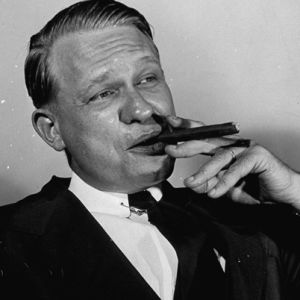




“The exception to Blatner's tendency to find only the good in others' ideas is his stance toward psychoanalysis. Whereas he criticized Moreno's exaggerated critique of the whole field, he himself emphasizes only what he sees as psychoanalytic limitations. Blatner criticizes, for example, the analytic premise that dysfunctional patterns develop in childhood and instead emphasizes the field of psychological forces acting in the here and now. Surely this is only a semantic quibble. Any analyst would readily agree that, although patterns developed in childhood persist in the present, they contend with the countervailing ego factors from current reality. Still, Blatner cannot resist using a host of analytic concepts throughout and favorably cites the work of Winnicott, Bion, Kohut, the ego psychologists, and object relations analysts. Nevertheless, he missed the opportunity to bridge the gap that could help bring psychodrama into the mainstream of psychodynamically oriented therapies. And there certainly is strong ground for the reconciliation between these fields. Blatner is passionately committed to a "post-modern" philosophy. As he explains, premodern philosophy, typified by the theologically dogmatic, constricted intellectual life of medieval times was later superseded by "modern" thought typified by the values of the enlightenment, rationalism, materialism, and positivism. The current reaction against this latter world view is a "post-modern" philosophy to which he subscribes, which emphasizes the substantiality of a nonmaterial world.” Furthermore, “Like Moreno, Blatner has an idee fixe of his own. He is infatuated with imagination/play/joy. Once he has established that the subjective realm is as real as is the objective world, he takes the dangerous step of attributing objective reality to what is properly subjective. When we say that a person thinks a thought, certainly the thought truly exists, but it is another thing entirely to say that the thought is therefore true. We look inside to see what is inside, but to discover what is outside, surely we must look beyond ourselves. The appeal of a philosophy that promises objective truth by revelation opens the way for wishful, magical thoughts and the breakdown of the separation of religion and science. On this point, Blatner's usual lucidity seems obscured by his idee fixe.”