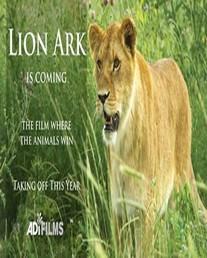
This incredible real-life tale about rescuing 25 abused African lions and transporting them from Bolivia to Colorado -- a distance of 5,000 miles -- unfolds in sequences filmed as each part of the story was actually happening. This intimate approach drew me into the drama and made me care deeply for the protagonists and the animals being rescued. And while watching the movie, I couldn’t help being inspired by the examples of bravery and dedication presented on screen.
Among the heroes of Lion Ark are: Tim Phillips and his wife Jan Creamer, co-founders of Animal Defenders International (ADI); legendary TV host Bob Barker; actress Jorja Fox (Memento, CSI) and Pat Craig, founder of the Wild Animal Sanctuary. Phillips served as director and co-writer of the film; Creamer not only co-wrote the script but also plays a crucial role on screen; Fox is an ADI Ambassador; Barker funded the daring rescue; and Craig found the Colorado land the lions now call home. I’m in awe over the amount of planning, cooperation and bold action involved in this amazing project!
After Bolivia bans the use of circus animals as the result of an undercover investigation by ADI, this organization takes on the job of rescuing the circus lions in question and finding a home for them. Creamer and Phillips head up the group working on this important task. Naturally, some of the owners are upset about this new law, and the documentary shows a few dangerous interactions before the animals are taken away. It’s in these disturbing scenes where we see the terrible abuse the lions have suffered. Ridiculously small cages, overcrowding, lack of exposure to sunlight, and separation from their own kind, to name a few. Fortunately, the intrepid Creamer prevails. She’s a tough cookie, for sure!
Rescuing all 25 lions is just the first step. The animals are placed in larger holding cages until they can be moved to a more suitable environment. While waiting for this to happen, we get acquainted with these majestic creatures. My favorite? Colo Colo, a huge angry lion who lunges at Creamer one day, then calms down when she gives him a drink from a watering can. I also fell in love with the mother lion and her cubs.
Even when a huge area of land in Colorado is found for the lions, suspense still fills the air. How will it be possible to transport 25 wild lions in a cargo plane from Santa Cruz to the Denver International Airport? The wonderful cooperation between so many people on two different continents simply boggles my mind. Much more happens in the Denver area before I breathe a sigh of relief as Colo Colo and the other lions are finally released into a 20-acre grassland area where they can live and play together.
For me, Lion Ark is the feel-good movie of the year!
(Released by ADI Films; not rated by MPAA.)
NOTE: The U.S. premiere of Lion Ark is scheduled for October 5, 2013, at the Mill Valley Film Festival in Mill Valley, California.
Review also posted at ReelTalk Movie Reviews.























I first witnessed circus animal cruelty while attending a ripoff circus (charged us five times before we got seated) when I was about ten. The lion tamer used a whip and a pistol loaded with blanks that he fired often to scare the frightened animals who urinated with every shot. Even at that young age, I thought his treatment was excessive and brutal and not “taming” at all.
Last night I watched Man, Cheetah, and the Discovery Channel and was mesmerized how this fifth generation African could get “up close and personal” with a mother cheetah and her five cubs. It was amazing how easily he got them to bond with him. A year and a half later, only two female cubs had grown into adulthood, still his pals whenever he approached them. One of those had been saved by him when she received a shoulder wound and the mother had abandoned her. He got a vet to stitch the wound up and the mother cheetah accepted the little girl back again.
There will be more of this remarkable man's efforts because he has also bonded with wild African dogs, lions, and probably other species as yet unknown. Truly a 21st-century approach to wild animals started by Dian Fossey and Jane Goodall a half-century ago. I had the distinct pleasure of having lunch with Dian in a faculty lounge (I was invited to join two other faculty with her at their table while eating my sack lunch) and listen to her talk lovingly about her gorillas.
Ron