“All sculptures and monuments and anything inscribed anywhere are tallied in you,
The gist of histories and statistics as far back as the records reach is in you this
hour––and myths and tales the same.”
(Walt Whitman, from A “Song for Occupations” Leaves of Grass)
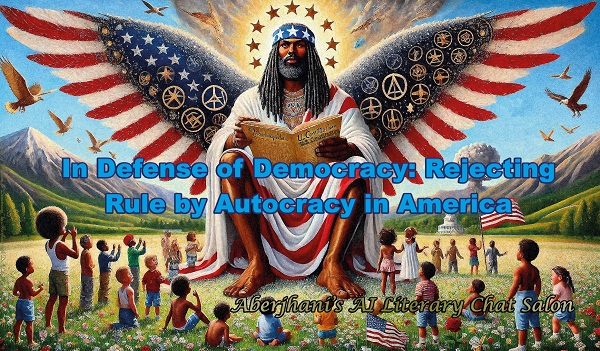
A culture of disregard built upon an infrastructure of impunity, more than likely, is not something most Americans would knowingly choose to include in celebrations of America250. A choice of that nature would mean celebrating such developments as diminished civil liberties, disdain for guidelines provided in the U.S. Constitution on behalf of U.S. citizens, the overt promotion of xenophobia, and the presentation of rewards in honor of heinous infamy.
Although hardly in alignment with what are generally referred to as democratic values, evidence of such a culture “in the land of the free and the home of the brave” is announced in news headlines almost daily. Possibly more damning than anything else is that millions of Americans in 2026 are convinced their government is more representative of an authoritarian regime, or an oligarchy, or a fascist dictatorship rather than a democratic republic. Polls like the Navigator Research and the PEW Research Center have confirmed that perception repeatedly.
Such 21st-century U.S. Supreme Court rulings as restricting women’s reproduction rights in 2022, and diluting the hard-won safeguards of the 1965 Voting Rights Act in 2026, reveal fundamental social and political divisions yet to be resolved in a manner satisfactory to all stakeholders. A barrage of 225 executive orders in 2025, with one incomprehensibly-crammed bill signed into law on July 4, 2025, and a succession of wars labeled “military campaigns” guaranteed movements more toward autocracy than government for the people or by the people.
One of the most harmful repercussions of maintaining a culture of disregard built upon an infrastructure of impunity––whether while observing Juneteenth, July 4th, Thanksgiving, or any other holiday––is the reinforcement of conditions previously identified as toxic or corrosive. Then promoting them as somehow ethically responsible or patriotic. Consequently, various communities end up experiencing different examples of prolonged pain-riddled regression.
A Curious Case Study
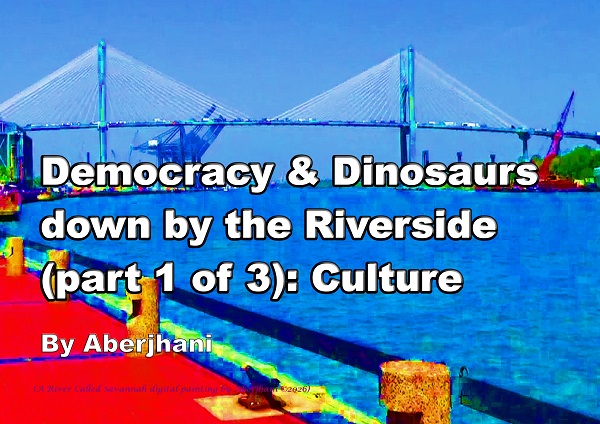
A long-standing illustration is the success which special-interest lobbyists and “old guard” social groups have had to date preventing the name of the Eugene Talmadge Memorial Bridge from being changed to something less racially antagonizing to citizens of Savannah, Georgia. And for that matter, to millions of tourists who visit the city every year. If any kind of momentum was building in the late 2010s and mid-2020s to renew efforts to make the change, it appears to have vanished in the wake of attention commanded by aggressive raids of the U.S. Immigration and Customs Enforcement (ICE) in the southeast.
Suddenly orphaned children and disappeared men and women have a way of shifting existential priorities. Yet the sociopolitical dynamics that prompted the shift in the first place remain to be addressed before conditions deteriorate further.
To read this article in full and free of charge PLEASE CLICK HERE.
Aberjhani
Author of Dreams of the Immortal City Savannah
Co-author of Encyclopedia of the Harlem Renaissance















I am amazed at how many people still think that everything is okay and working the way it should. Including members of my own family who should know better.
You stated those studies showing that the general public is getting more and more fed up. The attendance at the overblown 250 at the Mall and the snippet of the speech that I heard is getting people more and more concerned about the direction we are taking.
The best way to address it is to get everyone voting and voting their conscience, not their party or their neighbor or family member suggestion.
Keep up the good word. I'm trying to as well.
Ron