🦋 I think about suicide all the time because it's the only hope I have of getting people interested in the things I've created. No one appreciates the things I feel most proud of.
This is an anti-suicide song that starts out sounding like a pro-suicide song.
(I have removed some of my poems about suicide.)
The heart asks pleasure first,
And then, excuse from pain;
And then, those little anodynes
That deaden suffering,
And then, to go to sleep;
And then, if it should be
The will of its Inquisitor,
The liberty to die.
Emily Dickinson
The Heart Asks Pleasure First
In this poem, it is the heart (the id) that asks
but it's the mind (the ego) that negotiates a way to satisfy it.
The first request comes from Eros (Kāma-taṇhā)
but all of the rest come from Thanatos (Vibhava-taṇhā).
For it is Eros that seeks pleasure and Thanatos that seeks to avoid pain.
The whole thing is kind of like Maslow's Hierarchy of Needs in reverse
though it's about desires rather than needs. (difficult to distinguish)
As we progress through the poem, the heart settles for less and less.
(This regression is somewhat similar to my own “Eros and Lethe”.)
If I can't have pleasure, then may I at least have release from pain?
If I can't have that, then may I have pain killers? (The Waters of Lethe)
If I can't have those, then may I just go to sleep? (Oblivion)
And finally, if there is no other way to escape my suffering,
may I be permitted to die?
(When I sleep without dreams, I'll no longer pine for Eden.)
To be or not to be. It is still the question.
IT IS ALWAYS THE QUESTION.
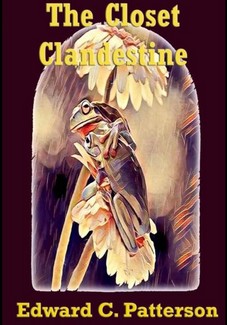
NOW AVAILABLE!
This book is a limited edition, and copies are hand numbered. It will NOT be available through Amazon or other distributors. You must purchase it directly from the author or from this site. It is hard-back (not the spiral bind seen


 Share
Share Print
Print Save
Save Follow



(I have removed some of my poems about suicide.)
The heart asks pleasure first,
And then, excuse from pain;
And then, those little anodynes
That deaden suffering,
And then, to go to sleep;
And then, if it should be
The will of its Inquisitor,
The liberty to die.
Emily Dickinson
The Heart Asks Pleasure First
In this poem, it is the heart (the id) that asks
but it's the mind (the ego) that negotiates a way to satisfy it.
The first request comes from Eros (Kāma-taṇhā)
but all of the rest come from Thanatos (Vibhava-taṇhā).
For it is Eros that seeks pleasure and Thanatos that seeks to avoid pain.
The whole thing is kind of like Maslow's Hierarchy of Needs in reverse
though it's about desires rather than needs. (difficult to distinguish)
As we progress through the poem, the heart settles for less and less.
(This regression is somewhat similar to my own “Eros and Lethe”.)
If I can't have pleasure, then may I at least have release from pain?
If I can't have that, then may I have pain killers? (The Waters of Lethe)
If I can't have those, then may I just go to sleep? (Oblivion)
And finally, if there is no other way to escape my suffering,
may I be permitted to die?
(When I sleep without dreams, I'll no longer pine for Eden.)
To be or not to be. It is still the question.
IT IS ALWAYS THE QUESTION.