they sleep
under the crisp blanket
their secret wish at the bottom of a long
list
hushed.
their bodies
awaken
before the bell
is swung by thick ropes,
tune to the note
of the heavy bronze
until the sound dies.
then,
she puts
her hand on her mouth
to kill the need
inescapably
still, the feel:
a missing link
a phantom limb
buried,
invisible ink blushing
where blood was expected
from strings cut.
he feels
desert skin
in ice-cold wind,
puts a hand on his dry mouth that
silences
sighs.
ashes cover
once palpitating flesh,
a blade of insipid light
intrudes,
questions vestiges,
shows cracks on the wall.
some time later
I visited that room
the grey light showed me the way
step after step on the ashen wooden floor:
curiosity and slight excitement,
my fingers ran on the old oak wood
and lifted the cold blanket
to uncover hard,
abandoned
stones.
This poem made me think of the late Sylvia Plath: a theme which resonates with the Colossus and Lady Lazarus, expressed in a style reminiscent of Ariel. The last stanza nicely breaks from the rest in both perspective and style: despite the passing contemplation of death, narrator and reader find themselves, at the end, firmly anchored in life.
Ok I wasn't crazy this morning when I read and left wondering. Returning I see David's comment's would be my own but he said them much better. And Felix is right. One to read more than once which is why I returned, and will again. Patrick
One to read more than once and one that different peeople will draw different conclusions from as shown by the reviews but..no matter what conclusions are drawn the fact remains that the images in this poetry and strong, vivid and grip the imagination like a steel claw.
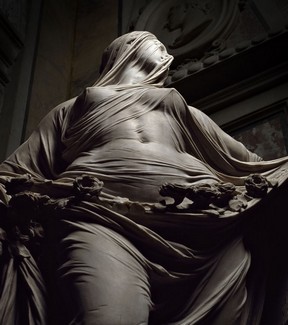
Axilea - As I read The Shroud, I have visions of bodies buried in the midst of life, not only two but others, also. I see visions of Pompeii and the bodies covered by a "shroud" of volcanic ash.
they sleep
under the crisp blanket
their secret wish at the bottom of a long
list
hushed.
Both beings seem to have been caught before death,
she puts
her hand on her mouth
to kill the need
inescapably
and
he feels
desert skin
in ice-cold wind,
puts a hand on his dry mouth that
silences
sighs.
The mention of ashes such as,
ashes cover
once palpitating flesh,
and,
step after step on the ashen wooden floor:
and finally,
and lifted the cold blanket
to uncover hard,
abandoned
stones.
seem to further reinforce the image of figures from Pompeii.
Shroud... what a beautiful word. I love it-- no macabre intonations in it whatsoever, but that soft shusshing beginning that melts into that liquid "r", followed by my favorite dip-thong joined from the wide open "ah" and cheek-puckering "oooo", and then that soft stop of the "d" clicking it closed at the end. The word in and of itself is a shroud-- a lovely little wrapping of sounds. So poetic. No wonder the "Shroud of Turin" carries so much imagination and speculation in the name alone.
But then again, as your poem suggests, wrappings are not always indicative of the objects inside. I like the he vs she parts-- each showing different emotions and gestures. I did get confused when the "I" appeared shortly after, and I wondered if you were a silent witness, or the "she" referred to. Either way, the "I's" have it in the the end. Ironic really, that instead of stones marking where a shrouded figure lies, we find a shroud marking where stones lie.
And because of all the terminology, i.e. the "shroud", the bell, the "light" and the "questions", the old wood, and finally what was abandoned, I thought perhaps the poem could be a metaphor for a childhood religion that was laid to rest, or perhaps even broken, as I read into Anessa Blaine's latest poem, "Woman Unrest-rained". For her sake, I say some stones break to bring forth new life. So in that case, I draw deeply upon my Stone of faith, and come up with a bucket full of fresh water, like Moses.
However, on the other hand, some stones were, I believe, created for the sole (soul?) purpose of becoming a road. In which case the writer (righter?) would be better served putting the stone in its place and treading on it-- shrouded or un, and be off to better places. :.)
You really made me think hard on this one, Sis.
Love your stuff. --Charlie
Axilea,
Monastic spareness and suppression of earthly desires, and the intruder/historian (you and the reader) look over what's left of a cetain attitude and way of life and thinking.
The second book in the telepathy series. It contains more ways for the up and coming telepathist to experiment with the sending and receiving of thoughts and is at the end of the story about future telepathy people found unexpectedly chosen by the go
A way to use your mind for silent communication. Speaking about the methods in the book I have used since a young age.
21st Century learning. I also have a GoFundMe page to ask for funds so I can research with other people and add their experiences
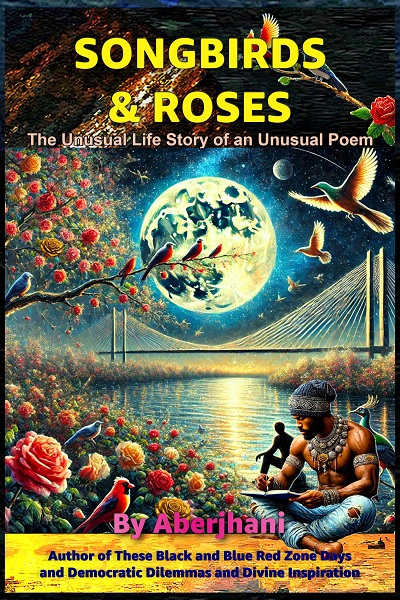
The captivating music of birds and the enchanting beauty of roses have, each in their own right, inspired people around the world for as long as anyone can remember. How the two combine with the challenges faced by a struggling writer in Georgia to c


 Share
Share Print
Print Save
Save Follow



Sheila
Regis
Peace be with you
William
hugs
Fee
Ron
Be always safe,
Karen
they sleep
under the crisp blanket
their secret wish at the bottom of a long
list
hushed.
Both beings seem to have been caught before death,
she puts
her hand on her mouth
to kill the need
inescapably
and
he feels
desert skin
in ice-cold wind,
puts a hand on his dry mouth that
silences
sighs.
The mention of ashes such as,
ashes cover
once palpitating flesh,
and,
step after step on the ashen wooden floor:
and finally,
and lifted the cold blanket
to uncover hard,
abandoned
stones.
seem to further reinforce the image of figures from Pompeii.
- David
EDWIN
But then again, as your poem suggests, wrappings are not always indicative of the objects inside. I like the he vs she parts-- each showing different emotions and gestures. I did get confused when the "I" appeared shortly after, and I wondered if you were a silent witness, or the "she" referred to. Either way, the "I's" have it in the the end. Ironic really, that instead of stones marking where a shrouded figure lies, we find a shroud marking where stones lie.
And because of all the terminology, i.e. the "shroud", the bell, the "light" and the "questions", the old wood, and finally what was abandoned, I thought perhaps the poem could be a metaphor for a childhood religion that was laid to rest, or perhaps even broken, as I read into Anessa Blaine's latest poem, "Woman Unrest-rained". For her sake, I say some stones break to bring forth new life. So in that case, I draw deeply upon my Stone of faith, and come up with a bucket full of fresh water, like Moses.
However, on the other hand, some stones were, I believe, created for the sole (soul?) purpose of becoming a road. In which case the writer (righter?) would be better served putting the stone in its place and treading on it-- shrouded or un, and be off to better places. :.)
You really made me think hard on this one, Sis.
Love your stuff. --Charlie
Monastic spareness and suppression of earthly desires, and the intruder/historian (you and the reader) look over what's left of a cetain attitude and way of life and thinking.
John