Three sisters and brothers were we, just before the windows were broken
Brought up were we, in the houses with gardens without trees
An ill-omened winter was it. Maybe in December
In the dead of winter, if ever it disturbed mother
Never had we ever seen such a downpour piercing in the houses
A crimson love, a crimson sunset, growing up were we, slowly and silently
An overpouring despair was it, in fact, the make-believe prayer and the night
There is something that is clutched and never lets go
I am I and not am I that I
In such a way that the autumn
Is crashing into the evenings of mine madly
If I ever think a bit more
We were brothers and sisters, is what I can say. night was my dream
And, then, we departed from the town
That address was lost, as that flood was
Two corpses and a wounded body in his throat. all is over,
That was what the youngest of all was saying
The torn photographs of a house by the bank of the frozen lake
That is what I remember when I force my memory
Never had we ever met before, maybe not at all
Never had we ever been in a battlefield
Never had we known how the blood flowed, nor how the warm blood froze
All of a sudden, our hands over our mouths, as if signalling to keep silent
We never kept silent ever
Whenever a tree falls down
Whenever the time looks as if it is crimson
Three sisters and brothers were we. that was the fact. the carbon paper was torn apart
Did we have names that we were called by, or colours
Nothing at all. How should I know
Wake me up, oh life. Find a well deep inside me
Because three brothers and sisters were we. That is what I remember
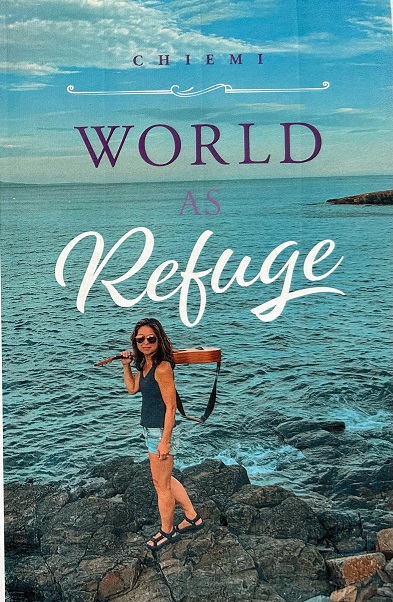
The songs and art in this book are about our collective emergence after the pandemic and trauma of the last few years - comprised of 5 collections: World as Refuge, Where We Live, In Our Hands, Rhythms of Change and What We See & Sow.
Mary Angela Nangini's poems celebrate the richness of life and love. From the city to cottage-country and the roads in between, Nangini explores the changing seasons of her varied region. (This book will soon be reprinted in hard cover.)
Using Calgary as a backdrop the author satirizes the self-serving nature of the public as it continues to fatten itself, not only physically, but egotistically as well.


 Share
Share Print
Print Save
Save Follow


Axilea