Take Socrates: the insignia of a true philosopher is the bald pate and the luxuriant beard – the very reason why women make for such pathetic philosophers.
Unquotable quotes: Philosophers - XXII (22)
Take Socrates: the insignia of a true philosopher is the bald pate and the luxuriant beard – the very reason why women make for such pathetic philosophers.
The bald pate facilitates the evaporation of the scorching heat generated by deep thought, and the beard attests to their forgetfulness - from the moment philosophers wake absorbed in hectic phrenetic activity – in getting a shave.
Philosophers are supposed to supply all the answers: that’s why they merely ask the most difficult questions which – thanks to hermeneutics - get interpreted as the right answers.
When in doubt, ask a philosopher: he’ll complicate your doubts even further.
A philosopher who has all the answers is not a philosopher: he is God (whatever the latter word may mean)!
A philosopher who takes time to think is faking it.
Ideas make the philosopher – not the other way round.
A philosopher who proclaims his thoughts in a book is most certainly trying to conceal the fact that he has picked somebody else’s brain (the latter most likely in the plural).
An undisciplined thinker is not a philosopher: he is a poet.
When two philosophers meet in peace, one is most certainly a disciple of the other – or a future widow.
Pick a philosopher’s brain, and your thinking is bound to get muddled up.
The difference between a philosopher and a professional philosopher is that one makes you think; the other requires you to think.
If philosophy as a subject in any field of thought is developed by practitioners to make things more clear to both the specialist and the layman, why is it always possible to go on splitting hairs on almost any given aspect of the issues at stake?
Are philosophers mystificators? In other words, are philosophers by nature unwilling to be intelligible, except with their own disciples who are reared to perpetuate the Master’s all-pervading vision of whatever the “mystificator” propounded.
Why is it that the most influential thinkers of yore never penned their own thoughts down? One possible reason – the Buddha is supposed to have said: ‘Don’t believe anyone who says this is what I said. Reason it out first for yourself. If you find it reasonable, then believe in its truth, if you so wish!’ (or words to the effect).
When philosophers gather to expound their theories, the onlookers and eavesdroppers hold their own silence (and even their breath) for fear of disclosing their utter lack of comprehension.
The more complex and continuous and never-ending the discourse on any given topic, the more profound the admiration the ordinary or average individual is willing to accord the debators.
The proportion of women philosophers to men philosophers is so lopsided that one is encouraged to ask (be it ever so politely and with the utmost deference) if women are not so well-disposed to the actual act of profound reflection.
It is curious how high a place established philosophers occupy in the hearts of those of their own social, ethnic or racial ilk – sometimes even to be condemned and discarded by opposing religious groups; so much so one wonders not why there is a developed science of war and an enhanced state of the art of waging war?
Since philosophers devote many hours in the day to solitary reflection, what do their wives do during those hours?
Philosophers would gladly – and obliviously – inhabit ivory towers, if only the world would mistake the towers for light-houses!
A country without a philosopher can always boast of a prophet.
‘No man is a prophet in his own country,’ says the lonely household philosopher.
All you need is a philosopher to make even a “happy” world look delirious – if he speaks his mind.
Why do philosophers prefer hemlock to the guillotine? Probably to keep their heads intact.
"If philosophy is the underpinning of all Western culture, then why are philosophy courses given so little stature in universities?" Eminently the right question to ask from your native standpoint.
The answer may be gleaned, Monseigneur Don Ron, from the refusal of a people - to stretch a point - to use their brains to the hilt. Let's admit it, human beings are the most cuddled, protected and spoilt of all of the living species so much so that laziness and stupor easily set in when they have to fend for themselves. And if a culture imputes greater importance to brawn rather than "a sound mind in a sound body" (mens sana in corpore sano - did I get that right?), the result is what you get: imbalance in the "two culture conundrum". Elsewhere "philosophy" (logical thinking) has always been rated as an ultimate aim in life, a pursuit that goes on without end.The two cultures are equally and evenly balanced: If "astrophysics" is the "King" of all science subjects, "Philosophy" is the "Queen" of all the Arts.
Quite a few gems in these. How many philosophers' brains did you have to pick to acquire them all?
If philosophy is the underpinning of all Western culture, then why are philosophy courses given so little stature in universities? Those that teach philosophy courses are the lowest paid professors in the United States. Their salaries generally mean living in their cars, if they have one, or on University property in housing meant for students. While next to the CEOs of universities, chancellors (a highfalutin corporate name), the athletic directors and coaches (teachers?) make the most money, followed by professors of medicine, pharmacy, law engineering, etc. All of whom have consultancies and book deals to keep them rolling in dough.
A unique perspective about the reality of existence, the meaning of life, the true impact of relationships between human beings and all life as well as the spirit world, and the impact that everyone makes on the universe. (Available in Print or as an
This book presents a narrative story of one person's journey of transcendental Awakening and Enlightenment as guided by his two Sage companions. It is grounded in Zen Buddhist and Taoist perspective and uses the I Ching as its structural framework. T


 Share
Share Print
Print Save
Save Follow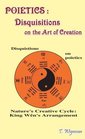

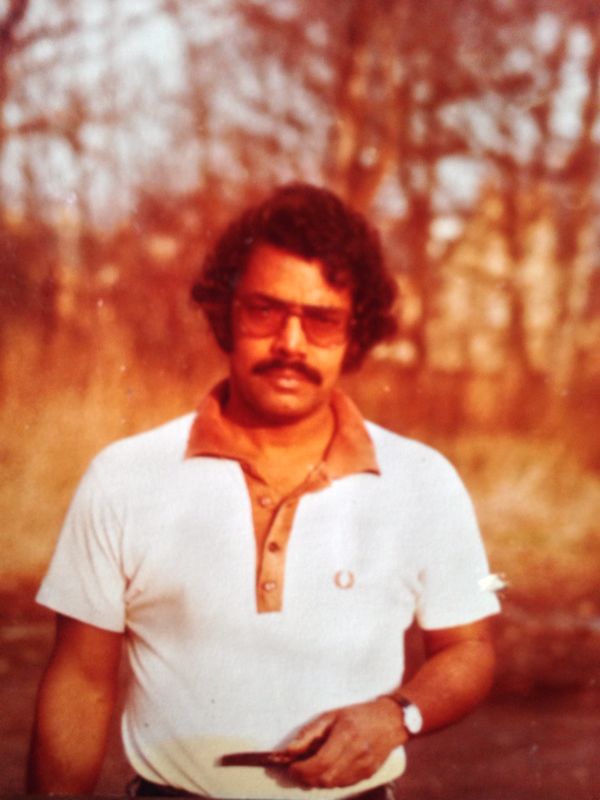






The answer may be gleaned, Monseigneur Don Ron, from the refusal of a people - to stretch a point - to use their brains to the hilt. Let's admit it, human beings are the most cuddled, protected and spoilt of all of the living species so much so that laziness and stupor easily set in when they have to fend for themselves. And if a culture imputes greater importance to brawn rather than "a sound mind in a sound body" (mens sana in corpore sano - did I get that right?), the result is what you get: imbalance in the "two culture conundrum". Elsewhere "philosophy" (logical thinking) has always been rated as an ultimate aim in life, a pursuit that goes on without end.The two cultures are equally and evenly balanced: If "astrophysics" is the "King" of all science subjects, "Philosophy" is the "Queen" of all the Arts.
If philosophy is the underpinning of all Western culture, then why are philosophy courses given so little stature in universities? Those that teach philosophy courses are the lowest paid professors in the United States. Their salaries generally mean living in their cars, if they have one, or on University property in housing meant for students. While next to the CEOs of universities, chancellors (a highfalutin corporate name), the athletic directors and coaches (teachers?) make the most money, followed by professors of medicine, pharmacy, law engineering, etc. All of whom have consultancies and book deals to keep them rolling in dough.
Ron