Apartment living is easier and often more suitable than you think. If you are a working person pursuing your career, or a retiree ready to live life easier, apartment living has many advantages. You are free of the worries and costs of owning a house. You can reduce your insurance costs and taxes, no more mowing the lawn or shoveling that snowy sidewalk. Here are some points for finding a good apartment.
Regardless of whether you use an agency or look in the newspaper, you need to decide the type of structure that makes you feel the most comfortable. There are high-rise apartment buildings, townhouse apartments and apartments on the first or second floor of a large house.
The type of building also indicates the relationship you have with the property owner. You may be considering an apartment located in a two-family home where the landlord is one of the neighbors that you will see every day. An apartment building owned by a corporation offers a business relationship where you may never see the owner of the building. These usually have a superintendent or janitor that you will refer to most for repairs. Consider which you prefer.
Your next decision is about the section of the building you prefer to live in. First floor apartments give easier access to the ground and street. Attic apartments can have many “romantic” qualities like roof-top views of the urban forest and lower rent. Apartments located in the back of the building may be more private and quiet, but an apartment in the front of the building may be less susceptible to crime.
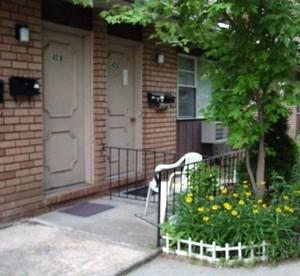
Do you prefer a street entrance or should the apartment door open into a lobby or hallway? Consider the stairways that you will have to climb or do you need an elevator? Will you need to move furniture up the stairs? Will this add to your moving costs? Will stairs be a problem for you when you return from the grocery store?
Other amenities to look for in an apartment building are extra storage closets and laundry rooms. If you need these, you should ask the proprietor to be sure they are available in the building of the apartment you are considering.
If outdoor space is important to you, consider if you want a balcony, patio or lawn space. Some apartments have wide windows that are great for views, but allow a loss of heat in winter and excess sun in summer. Will you be paying the heat and cooling bills? Other apartments have small windows or views that are anything but inspiring. Does this matter to you?
If you have a pet or two, ask if pets are allowed. Be sure the approval is specified in the lease, even if you have to write it in yourself and have the landlord initial it. Other special considerations are your satellite dish or if cable service is provided. If you prefer satellite, discuss with the landlord where the dish could be put. Be sure this agreement is also included in the lease.
When you enter the apartment for the first time, you should consider the floor space and how to arrange your furnishings. Be sure to ask the landlord about the color scheme of the walls. Some landlords paint all the walls white and expect them to stay that way. If the present conditions are acceptable, run you finger over a wall to see if paint comes off. This will give you a sampling of the kind of maintenance and repairs the landlord does. Cheap paint will rub off. This means the landlord will be cheap with all other repairs, including cheap replacement faucets and light fixtures.
One of the joys of apartment living is that you do not have to go through the agony that homeowners do. They spend their time at the home repair stores trying to learn how to make their own repairs. A tenant need only lift the phone and call the landlord for maintenance. In large apartment complexes, a work crew usually monitors the building conditions and responds to a tenant’s call for repairs. In smaller apartment buildings or houses where the landlord lives near the tenants, the landlord will make the repairs or hire a contractor to do so. When you visit a potential apartment, be sure to ask how repairs are made and to whom you should call. If, in the course of viewing the apartment, you find something in need of repair, be sure the landlord makes the repair before you move in. If time is of the essence and you really want the apartment, request a letter or notation on the lease that the landlord recognizes the need for repair of a certain condition and promises to make the repair soon. However, a good landlord will have everything fixed and ready at the time of rental.
An apartment is unfit to live in if the facilities malfunction. Give everything in the apartment a test. Flush the toilets; turn on the faucets. Watch for drips and leaks under the sinks or anywhere on the ceilings. Look at the electrical outlets to see if they are loose in the walls. Look for cracks or signs of smoke coming out of cracks. This could be a sign of old wiring. Turn on the kitchen stove to see if it works. Open the refrigerator. If it is not cold, ask the superintendent to turn it on and wait to see if it gets cold. Appliances are not always included in apartments, if you have your own this may be fine. If you do not own appliances, be sure to check the lease language for a promise that all appliances will function and if not, will be replaced by the landlord. Sometimes tenants leave appliances behind that do not function. If this is the case, insist that the landlord remove broken appliances. When the landlord or the landlord’s agent says this will be taken care of, get it in writing in a letter or email where you request this repair of the landlord. If the repair is not made before you move in, get the repair listed at the bottom of the lease and have the agent or landlord sign it.
Check the dates on any fire extinguishers you pass in the halls. Watch for smoke detectors on the walls and ceilings, especially in kitchens. Look out the windows at fire escapes to see if they have been preserved by rust removal and paint. When you are outside the building, locate the fire escapes to see where they lead. If a fire escape drops you into a fenced-in courtyard with no exit, it is of little help.
While you are outside, look again at the entrance. Make sure there are lights that come on or can be turned on at night. Some apartment buildings enter into long hallways or lobbies. Landlords are required to keep these areas lighted at all times for safety. Will this area feel safe when you come home late? Are there security guards? The landlord is required to check their backgrounds for criminal records.
Find out as much as you can about your neighbors in the surrounding apartments. Stop by the apartment building during late evening and early morning to observe the people and lighting conditions. Talk to some of the residents and explain that you are considering moving in and want to know if the building seems quiet and safe. This will give you a better picture of the kind of community you are joining.
The types of stores in a neighborhood tell you a lot about the local people. If you would never shop in the stores you see, why would you want to live in the neighborhood?
Walk around the apartment building you are considering and look for the following aggravations. Is the apartment near the community ambulance service? This can mean ear-splitting noise in the middle of the night. Fire stations are also necessary, but not the best places to live near. Smelly neighbors can also be a problem. Some of the worst smells are from the grease and smoke of fast food restaurants, bars and industries that release fumes and solvents into the air−such as auto body shops. Other deterrents are swimming pools that release strong chlorine odors and large laundries that emit fabric softener odors all day long. For that matter, find out where the laundry vents are in the building you are considering. Avoid apartments where the vents will be releasing steam and fabric softener scents near your windows. As you return to the building of your potential apartment, consider where the garbage is kept and where it is set out for collection. Living in an apartment next to the garbage shed should at least offer a discount in rent.
Another item worthy of much consideration is transportation. Is public transportation available and where is the bus stop? Or, is that carport for you? Do not assume, ask the landlord or the landlord’s agent. Is the garage lighted at night? Or is tenant parking only on the street? Once these questions are answered, be sure that a reference to the location of your parking or garage space is recorded in the lease.
Many people live in apartments all their lives. Apartment living gives you the advantage of being able to focus on the more interesting activities of your life. The burdens of home maintenance and the fears of a failing real estate market disappear for apartment dwellers. Just follow these instructions and you will save money and time by choosing a good apartment.
Interested in reading a mystery about apartment living? Try my novel Mystery of Quercus Gardens. Click on the link below.


























In spite of all the hassles and unexpected expenses of owning a home, my home has amenities and disabled access I could never find in an apartment and I will never live in an apartment again, except, perhaps, a one floor, disabled access, assisted living, one.
Ron