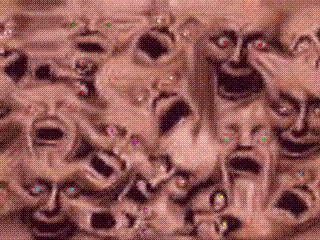
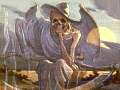
The night has eyes that cannot see,
he’s been blind for eternity . . .
which is why the night reigns supreme.
The night has ears but does not hear;
he doesn’t want to ease our fear.
It’s easier to live that way.
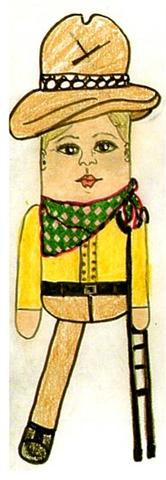
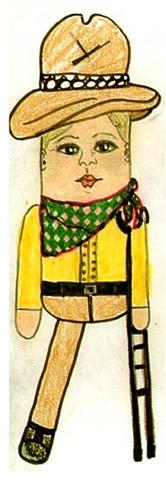
The night has legs but cannot walk--
his legs are thin, like reeds, a stalk--
and he falls without a whimper.
The night has lips but does not speak . . .
words he wishes to say are weak
Night has the power and glory
though his scent is death and decay.
Some deaths linger throughout the day.
His excuse is senility;
the night, in sincerity, tries
but he’s blind to reality.
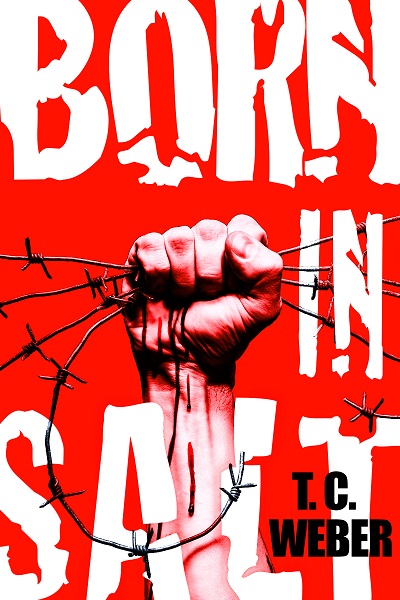
In a post-coup America, an Illinois farm boy is drawn into the resistance by his brother's death. Captured, he is given a choice: betray his friends, or the girl he loves will be lobotomized.
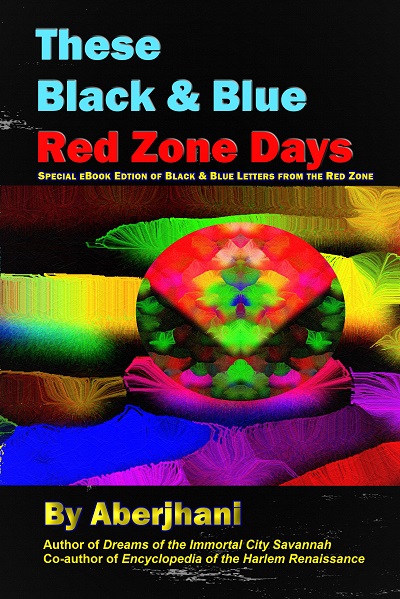
Just as life during the pandemic was color-coded with different hues representing different levels of danger, life in its aftermath has become shaded in similar ways. As a self-styled “Seeker of Beauty with Beauty,” (borrowing from a quote by W.E.B.
Hearts of Gold
Synopsis
by
Frank P. Whyte
Portland, Oregon is known as the City of Roses. Of course that’s an odd name for a city whose mere mention conjures images of driving winds and torrential ra




 Share
Share Print
Print Save
Save Follow