I very sadly see fewer and fewer bees,
Of any kind, on my many walkabouts,
Each and every succeeding summer now.
"The decline in Franklin's Bumblebee,
Should serve as a huge alarm, right now,
That we are losing important pollinators.”
Scott Hoffman Black,
The Xerces Society
We have all heard about our Honeybees
They are now vanishing, much too rapidly
And today, more extremely disturbing news
They are being joined, by Franklin’s Bumblebee
This Bumblebee lives in Oregon and in California
And, it’s another important pollinator, for our crops
Both species of these insects, are needed by our species
And, they are both now in decline, disappearing nonstop
Both types of bees are critical, in growing ‘hothouse’ crops
Including all sorts of juicy tomatoes, peppers, and strawberries
They also pollinate many field crops in our nation, worth $3 billion
Such as squash, watermelon, cranberries, raspberries, and blueberries
If both Honeybees and Bumblebees, soon vanish from our nation
Many of these fruits and vegetables, will also vanish from our meals
Scientists blame habitat destruction, toxic pesticides, and human pollution
American bees may also now be infected with diseases from imported bees
The Society for Invertebrate Conservation and many other scientists and biologists
Have petitioned the government to add Bumblebees to the Endangered Species List
Although many human beings hate all insects, including bees, they are very important
Both Honeybees and Bumblebees were god-given, and their loss should give us no bliss
While many of our native insect pollinators are now suffering declines related to habitat loss and modern day pesticides, Franklin's Bumblebee and some other related species have suffered a very deep and sudden decline.
Researchers at the University of Illinois are working to determine if a fungus known as nosema bombus has caused declines in a number of related bumblebees, including the once-common Western bumblebee, the rusty-patched bumblebee, and the yellow-banded bumblebee in the Northeast.
Earlier this year, the Xerces Society and other conservation groups and scientists called on federal agricultural authorities to start regulating shipments of commercially imported bumblebees to protect our bumblebees from foreign diseases now threatening their survival.
A 2007 National Academy of Sciences report blamed the decline of many insect pollinators around the world today on a combination of habitat loss, toxic pesticides, pollution, modern day fungi, and diseases now spilling out of modern day greenhouses.
If we continue to lose more and more,
Of these extremely vital insect pollinators,
Our way of life, and many of our food crops,
Will surely be adversely affected, sooner or later.
Yet, many stubbornly refuse to believe,
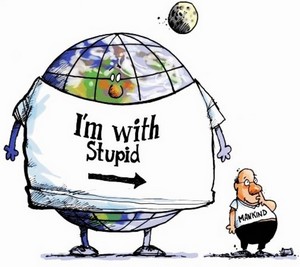
That we are now destroying our planet;
We disregard the worth of many beings;
We take Nature’s many gifts, for granted.
©2010, Mr. Ed


 Share
Share Print
Print Save
Save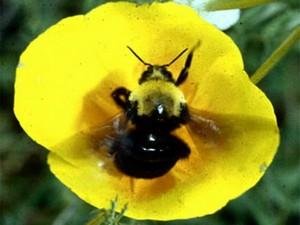









Be always safe,
Karen
methinks it will only get worse,sorry to sound gloomy,but a look at the damage of the oil spill says volumes,about a gloomy future.
Great poem and info,as always!
TL
Mary
I have always tried to be optimistic about the state of our homeostasis, but more and more I am afraid I am actually watching the end of life as we have known it, slipping away one disaster, man-made and natural at a time. In themselves they are just a blip, but added together....schit ain't looking so good.
Walt
Unfortunately all of nature is in jeopordy these days. That includes man.
Let us pray.
Lew
(((HUGS))) and love, Karla.
Blessings and Love and Prayers for WAKE UP! - Micke
Cheers,
Dan
You are doing a great service to the world with your writings, I hope many read it, and act on it in their own small way. Bless you!
Jasmin Horst
Blessings,
Christine
Georg
Anna