Finnish mythology is a commonly applied description of the folklore of Finnish paganism, of which a modern revival is practiced by a small percentage of the Finnish people. It has many features shared with fellow Finnic Estonian mythology and its non-Finnic neighbours, the Balts and the Scandinavians. Some of their myths are also distantly related to the myths of other Finno-Ugric speakers like the Samis.
Finnish mythology survived within an oral tradition of mythical poem-singing and folklore well into the 19th century.
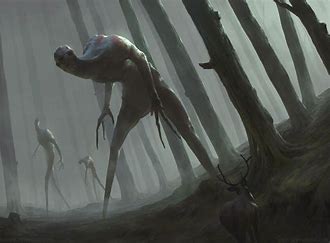
Although the gradual influence of surrounding cultures raised the significance of the sky-god in a monolatristic manner, the father god "Ukko" (Old Man) was originally just a nature spirit like all the others. Of the animals, the most sacred was the bear, whose real name was never uttered out loud, lest his kind be unfavorable to the hunting. The bear ("karhu" in Finnish) was seen as the embodiment of the forefathers, and for this reason it was called by many circumlocutions: mesikämmen ("mead-paw"), otso ("browed one"), kontio ("dweller of the land"), metsän kultaomena ("the golden apple of the forest") but not a god.
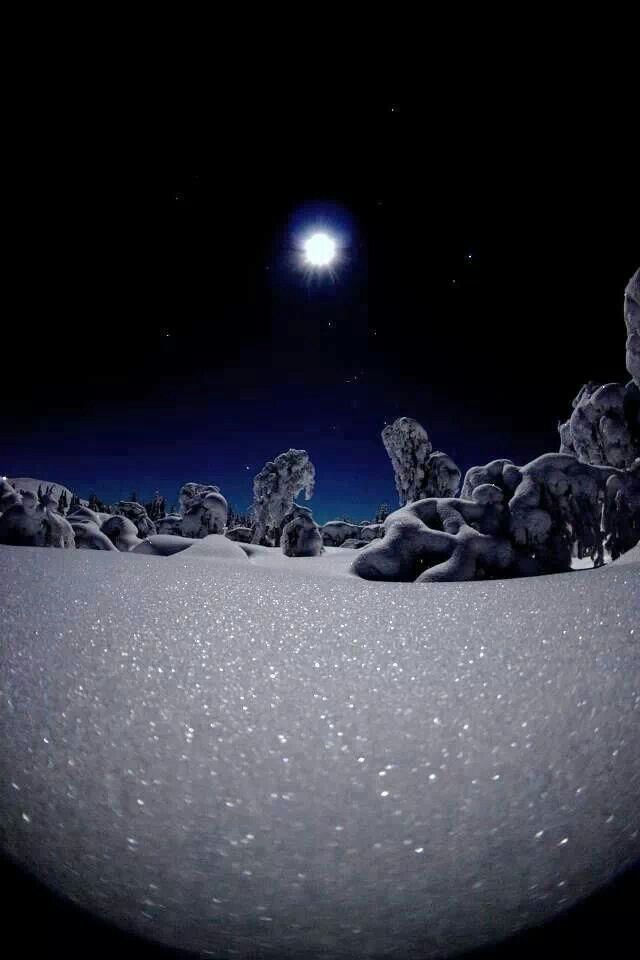
Driftwood covered winter beach
Ice caves forming on the shore
Zen designs of sand and snow
So serene
White so bright it blinds the eye
Must be heaven here on earth
Winds make music on cold air
Listening
Sun sets early time seems short
From my driftwood seat I rise
Thank Ilma, goddess of air
Ukko guides
I love your comment! And your poem reminds me of those times I used to go out hunting on the barren winter landscape with the sun low in the sky but the contrast between the bright blue and white almost blinding. And yet, the snow and the wind covering everything except for trees, posts, and tall grass creating wonderful artwork in every direction. Very similar to your photo above. Like the desert, very austere and stark in a very beautiful sort of way.
A guide and challenge to Christians who want to live a life of true discipleship. It explains why worship is fundamental and how a life of true worship transforms one to Christ-likeness.
The world calls us to improve and promote ourselves. Is this
Intuitively, I know I've lived many lifetimes, and none more interesting than the one I'm living now. However, being born an old soul somehow did not excuse me from the same job I share with you and that is learning to craft a positive attitude about


 Share
Share Print
Print Save
Save Follow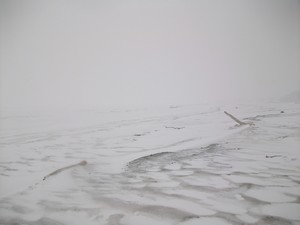



Love this poem. The serene and calm to listen
and experience.
Lady Mary Ann
Ron
Always,
Deborah