During the 19th century there were many portraits made of the bodies of those who had passed away. Some families were too poor to afford photographs and when a loved one died they would manage to pay for a lasting memorial to remember the deceased by. The object was to try to make the corpse look alive, sleeping or posing with their family. Only the sleeping ones looked alive, those pictures showing dead, glazed eyes would have been better not taken.
I don't know if you intended this to be funny, but I laughed my cruel buns off as I digested this gem. Your honesty is a joy to read even when the subject matter is a bit more macabre.
Wow! Quite a change for a romantic. But then, the 19th century was not all rosy. I think those photos were taken because suddenly, the family knew they had no photos of uncle Saul and needed to get one last photo to remember him by, however macabre. In those days, you were lucky if you got a wedding picture and a death picture in a lifetime. Now we get a selfie minute.
Within the darkest reaches of the mind macabre scenarios play out. The thing that stands out here is the stark reality of respecting the dead versus what must have been considered in the period a form of memorializing them. In the arms of death lay me down in eternal peace. The entire thoughts of this post mortem photography seems shallow. A traveling sideshow atmosphere designed to make money for a carnival barker.
The Borderline Anti-Memory PastBook asks questions a diary does not ask and raises the questions to dialectics and answers them in a way a memory work does not answer questions.
A work in American history and existentialism Which is an Invitation to connect and create the dots in your life to other revolutions like the Cuban Revolution.
325 letters my father wrote to my mother during his time in World War II.
Woven together in a timeline of events of three of his brothers, 5 brothers-in-law, and one cousin, all 10 of them were in WWII at the same time.







 Share
Share Print
Print Save
Save Follow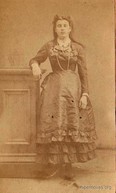




Times have changed, but people are, and always will be people.
Walt
they photographed their loved ones but, it had
to be creepy.
Always,
Deborah
Interesting this write. A practice of the 1800's I didn't
know took place.
Lady Mary Ann
Ron
Regis