In Japanese the tanka is divided also into the upper section (the haiku-like beginning) and the lower section (the two long lines). The art and crafting of tanka comes from the relationship and how it is expressed between these two sections. Often the middle line acts as a pivot — think of a garden gate that swings both ways — so the thought in the upper section can change to another thought in the lower section. This change must show a new voice, place, time, or mood




 Share
Share Print
Print Save
Save Follow
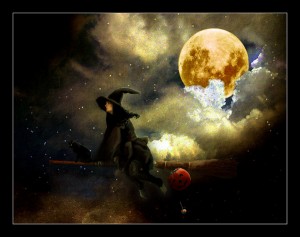





And you have created a captivating atmosphere...
Love, Diana...
Love ya!
Jane
Ron