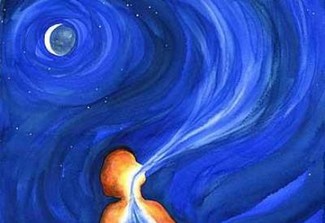
This is no indication of my own state of mind although I have been able to identify through traumas in my own life. The theme is 'trauma' and it pretty much describes how someone suffering from post traumatic stress disorder (PTSD) may feel.
In this surreal existence where shadows lurk
and reality dissolves and then slips away Disembodied voices seem to come from a distance as the ashes of dusk cloaks the brightness of day
A futile grappling with an insidious darkness distorts a mirror once filled with great dreams What is real what is not? For nothing appears to be what it seems
This is a twilight world where colours vibrate and impulses are dulled or become strangely acute An aching tiredness permeates the bones
Another fine write. There's something about it I find very satisfying.
Reviewed by Thomas Lanechanger (Reader)
Reviewed on August 15, 2004
Chanti, I must apologize my friend. I had this review ready when you posted this timeless treasure, and my PC froze up, and somehow I completely forgot about it. I was surfing through your informative site, and realized I still had in my files. I guess it must be early stages of senility setting in…lol. Anyway my friend this is the review I had nestled for this masterpiece. Post-Traumatic Stress Disorder is a well know debilitating affliction, and if you don’t mind my friend, I have included an article I’ve had laying around for quite some time so those who may be suffering from it and not even know it can recognize it. This is an extremely important subject, and although you have handled with style, class and poetic grace, I only hope you’ll allow this to stay on your board for anyone whom is anxious to learn from your remarkable Den, my friend. I could always send it through your message board if you do not mind. Thank you for sharing your talent. May the gentle winds of the Creator’s grace always comfort and guide you and yours throughout your journey through time and space.
Post-Traumatic Stress Disorder, is a mental illness that some people develop after experiencing traumatic or life-threatening events. Events such as warfare, rape and other sexual assaults, violent physical attacks, torture, child abuse, natural disasters, automobile or airplane crashes. People who witness these traumatic events may also develop the disorder. (PTSD) in war veterans is sometimes called shell shock or combat fatigue. In victims of sexual or physical abuse, the disorder has been called rape trauma or battered woman syndrome. The American Psychiatric Association (APA) adopted the current name in 1980. People can relive these traumatic events again and again, through nightmares and memories, even during the day. Sometimes they’ll have flashbacks, in which they suddenly lose touch with reality and relive the event(s). Because of their extreme anxiety and distress about the event(s), they try avoiding anything that reminds them of it. They may seem emotionally numb, detached, irritable, and easily startled. They may feel guilty about surviving an event, which maimed or killed other people. Other symptoms include trouble concentrating, depression, and sleep depravation. Although symptoms usually begin shortly after the traumatic event, some may not show any symptoms for several years if ever. But, if left untreated, it can last for years and can severely disrupt one’s life. Besides the emotional pain of reliving the event(s), the symptoms may cause a person to think that he or she is losing total control. People also may or may not have unpredictable, angry outbursts at family members or loved ones. Some try masking their symptoms by abusing alcohol or drugs. Some work excessively to prevent extended periods where they might relive the event(s). Although these may delay the onset until these individuals retire or become sober. There have been studies which have found that 1 to 14 percent of people suffer from Post-Traumatic Stress Disorder at some point during their lives. However, the findings vary due to differences in the populations studied and methods used. People who have survived traumatic events, the prevalence appears to be greater. This disorder may be particularly prevalent among people who have served in combat. For example, one study of veterans of the Vietnam War found veterans exposed to a high levels of combat were nine times more likely to have this disorder than military personnel who did not serve in a war zone. (PTSD) is an extreme reaction to extreme trauma and/or stress. In moments of crisis, people respond in ways that allow them to endure and survive the trauma. Afterward those responses, such as emotional numbing, may persist even though they’re no longer necessary. Everyone who experiences a traumatic event does not develop this disorder. There are many factors, which influence whether people who experience severe and/or prolonged trauma and stress are more likely to develop the disorder than people who experience less severe trauma. Those who directly witness or experience near death and death, injury, or attacked are more likely to develop some or all of the symptoms. Some may have existing biological and psychological vulnerabilities that make them more likely to develop (PTSD). There are some with histories of anxiety disorders in their immediate and/or extended families and may have inherited a genetic predisposition and react more severely to stress and trauma than others. Also ones life experiences plays a crucial role, especially in early childhood development, can and more often does affect ones psychological vulnerability. People with early childhood experiences that made them feel that events which were unpredictable and uncontrollable seem to have a greater likelihood of developing this disorder. However, individuals with a strong, supportive social network of friends and family seem somewhat protected from developing this disorder. There are treatments available, which may involve psychotherapy, psychoactive drugs, or a combination. Psychotherapists can often help individuals confront these traumatic experiences; by helping the afflicted individuals work through the overwhelming emotions, and have achieved remarkable results. It is also recommended that people with this disorder can benefit from group therapy with other individuals who are suffering from the same disorder. Doctor’s can and will encourage the use of antidepressants or anxiety-reducing drugs in an effort to treat the mood swings that sometimes become too much for one to do on their own as a last resort.
Reviewed by Cynthia Castle (Reader)
Reviewed on July 28, 2004
Deep expression and excellent composition, Dear Poet! ...Genuine, heartfelt, write, Chanti.
Succinct, yet filled with profound expressions of suffering known
only to those who have been afflicted with this disorder.
A brilliant piece of work, Chanti!
Yes, that is it my sweet. I am thankful for my counseling sessions, good friends and meds that actaully work for my many diagnoses. ;) The art-work is amazing and oh so perfect with it's 'tidy golden bow' did you create it or may I ask where it came from? It's awesome and then the poem describes the art, hand in hand, perfect!
You have described it in an artful way.
It's can be disruptive to the point of
tragic results and yet somehow some can
deal with it better than others. Who knows
exactly why or to what levels. Gives a lot
to ponder.
Chanti, very well expressed write...it has been said that disruptions in the early developments stages that stray from the norm lend a hand into these symptoms. (but what is norm)..... Our past is in my opinion, is who we are and for a reason. We must somehow figure how to take our past and who we are and use it to our own good. I really liked the very descriptive language in this piece.
This is an accurate description, Chanti. Especially this line:
"A futile grappling with an insidious darkness
distorts a mirror once filled with great dreams"
Excellent expression in this. Thank you.


 Share
Share Print
Print Save
Save Follow











Regis
Another fine write. There's something about it I find very satisfying.
Post-Traumatic Stress Disorder, is a mental illness that some people develop after experiencing traumatic or life-threatening events. Events such as warfare, rape and other sexual assaults, violent physical attacks, torture, child abuse, natural disasters, automobile or airplane crashes. People who witness these traumatic events may also develop the disorder. (PTSD) in war veterans is sometimes called shell shock or combat fatigue. In victims of sexual or physical abuse, the disorder has been called rape trauma or battered woman syndrome. The American Psychiatric Association (APA) adopted the current name in 1980. People can relive these traumatic events again and again, through nightmares and memories, even during the day. Sometimes they’ll have flashbacks, in which they suddenly lose touch with reality and relive the event(s). Because of their extreme anxiety and distress about the event(s), they try avoiding anything that reminds them of it. They may seem emotionally numb, detached, irritable, and easily startled. They may feel guilty about surviving an event, which maimed or killed other people. Other symptoms include trouble concentrating, depression, and sleep depravation. Although symptoms usually begin shortly after the traumatic event, some may not show any symptoms for several years if ever. But, if left untreated, it can last for years and can severely disrupt one’s life. Besides the emotional pain of reliving the event(s), the symptoms may cause a person to think that he or she is losing total control. People also may or may not have unpredictable, angry outbursts at family members or loved ones. Some try masking their symptoms by abusing alcohol or drugs. Some work excessively to prevent extended periods where they might relive the event(s). Although these may delay the onset until these individuals retire or become sober. There have been studies which have found that 1 to 14 percent of people suffer from Post-Traumatic Stress Disorder at some point during their lives. However, the findings vary due to differences in the populations studied and methods used. People who have survived traumatic events, the prevalence appears to be greater. This disorder may be particularly prevalent among people who have served in combat. For example, one study of veterans of the Vietnam War found veterans exposed to a high levels of combat were nine times more likely to have this disorder than military personnel who did not serve in a war zone. (PTSD) is an extreme reaction to extreme trauma and/or stress. In moments of crisis, people respond in ways that allow them to endure and survive the trauma. Afterward those responses, such as emotional numbing, may persist even though they’re no longer necessary. Everyone who experiences a traumatic event does not develop this disorder. There are many factors, which influence whether people who experience severe and/or prolonged trauma and stress are more likely to develop the disorder than people who experience less severe trauma. Those who directly witness or experience near death and death, injury, or attacked are more likely to develop some or all of the symptoms. Some may have existing biological and psychological vulnerabilities that make them more likely to develop (PTSD). There are some with histories of anxiety disorders in their immediate and/or extended families and may have inherited a genetic predisposition and react more severely to stress and trauma than others. Also ones life experiences plays a crucial role, especially in early childhood development, can and more often does affect ones psychological vulnerability. People with early childhood experiences that made them feel that events which were unpredictable and uncontrollable seem to have a greater likelihood of developing this disorder. However, individuals with a strong, supportive social network of friends and family seem somewhat protected from developing this disorder. There are treatments available, which may involve psychotherapy, psychoactive drugs, or a combination. Psychotherapists can often help individuals confront these traumatic experiences; by helping the afflicted individuals work through the overwhelming emotions, and have achieved remarkable results. It is also recommended that people with this disorder can benefit from group therapy with other individuals who are suffering from the same disorder. Doctor’s can and will encourage the use of antidepressants or anxiety-reducing drugs in an effort to treat the mood swings that sometimes become too much for one to do on their own as a last resort.
Cynthia
Mistifying and hauntingly beautiful - excellent!
Robert
only to those who have been afflicted with this disorder.
A brilliant piece of work, Chanti!
Love & Light, Janet xoxoxo
It's can be disruptive to the point of
tragic results and yet somehow some can
deal with it better than others. Who knows
exactly why or to what levels. Gives a lot
to ponder.
Allen
Sandie May Angel
"A futile grappling with an insidious darkness
distorts a mirror once filled with great dreams"
Excellent expression in this. Thank you.