If I had to paint a portrait of what emotional pain looks like, it would not be neat, or symmetrical, or easy to stand in front of for long.
From a distance, it might look restrained, almost elegant. Muted tones, soft brushstrokes, something that suggests composure. A viewer might first think it is a study in quietness, in control. But the longer they stay, the more the structure begins to unravel.
Up close, the surface would be layered thick, paint pressed and scraped and reapplied. There would be places where the canvas shows through, raw and exposed, as if something was torn away too quickly. Other areas would be overworked, heavy with pigment, as though the artist kept trying to cover something that refused to disappear.
The color palette would resist harmony. Ashen grays, deep blues that verge on black, sudden intrusions of bruised purples. And then, unexpectedly, traces of warmth. Not bright, not hopeful exactly, but stubborn. A faint gold, perhaps, threaded through the darkness like something that refuses to be extinguished.
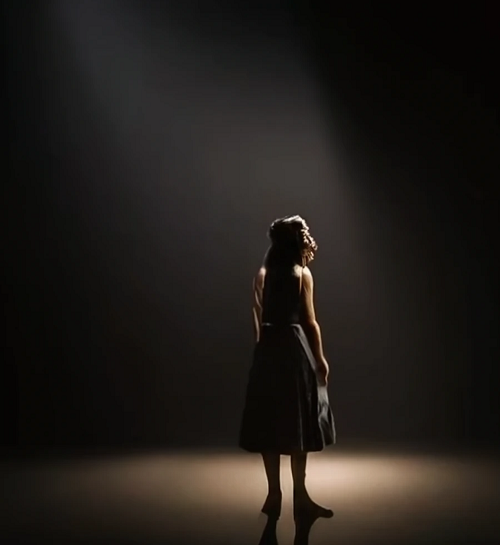
The subject itself would be indistinct. Not a clear face, not a defined figure. More like the suggestion of a presence that is both there and not there. A silhouette dissolving at the edges. You would feel it before you could fully see it.
There might be a fracture running through the composition, not a clean break but a jagged interruption, as if the painting had shifted under pressure. And yet it holds. It does not collapse.
If there were a title card on the wall, it would be simple. Nothing explanatory. Just enough to anchor the viewer, but not enough to comfort them.
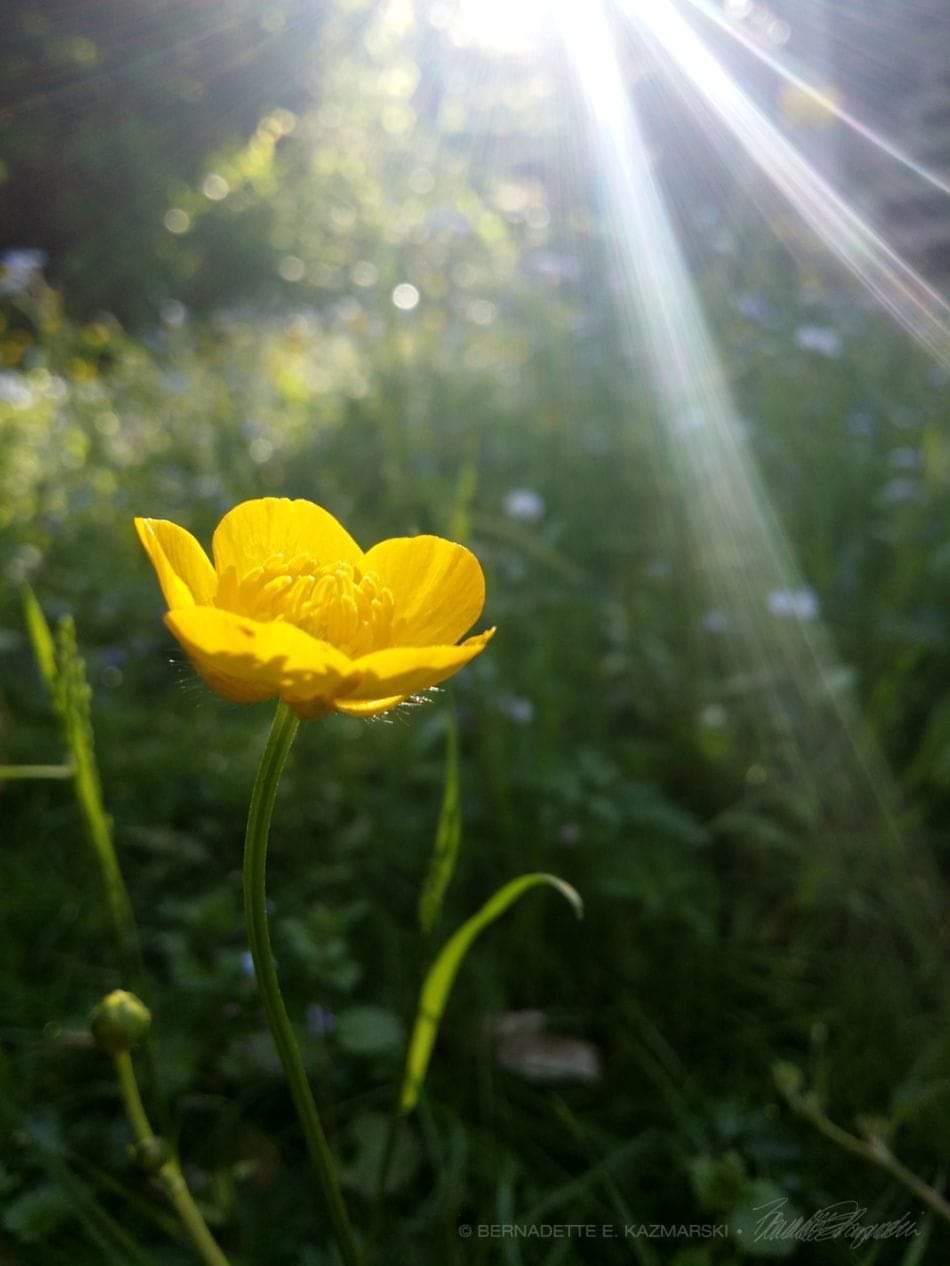
And the strangest part, the part that would keep people lingering longer than they intended, is that the painting would not feel entirely heavy. There would be a quiet tension inside it, like breath held but not lost. As though, beneath everything, something is still alive, still insisting, still waiting to be named.


 Share
Share Print
Print Save
Save Follow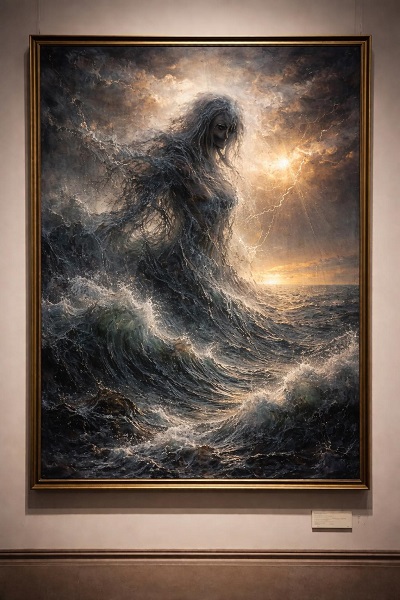





Ron