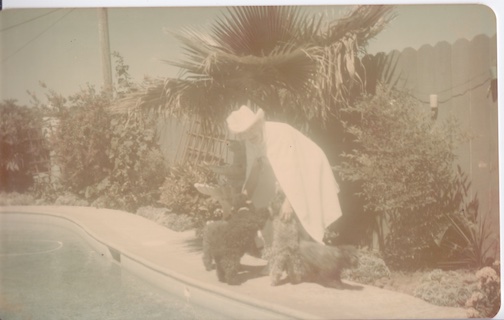
Satire spoof of the conquering Great White Hunter… 1970. My 1966 Toronado gas guzzler that took me everywhere at 90 mph, but stopped badly with drum brakes.
I Vanquish My 11-year-old Younger Brothers' Faithful Dog, Pete
SADLY, WITH THIS NATION'S PRESENT UNREST AT THE FOREFRONT OF MY MIND...THIS IS QUITE ON POINT. THANKS FOR SHARING, RON. BY THE WAY...LOVE THE PHOTO! LOVE, BLESSINGS AND FAITH...HIS+INSPIRATIONS
You look like one of my brothers, Ed, who tried to be the great hunter in his teens. Little did he know, our younger brother was following close behind as Ed laid out his traps. A little urine here and there can discourage a wild animal from coming near them.
Top of the morning, Ron ! Since you invite me to say what I think of this "satire" (your words) in your message on my critique of your short story; "Foundling Pearl", here goes:
First question: What's so compelling about a declaration in rhyme about what everybody easily recognizes as a fact about life? This seems to me the 'favourite sport" in words of AD poets - stating the obvious.
Second point: Even if what is blatantly obvious to everyone is clothed in stanzaic form and buoy-ed by alternating rhyme, does it constitute "poetry" or can it make a claim on the genre of satire?
Hardly, Ron, and you know it.
Comment: There's only one stanza - the third - which uses imagery in a way to enhance the lines as positively poetic. It's a cogent metaphor, to say the least. Your view of Man here is one of being a victim, at the mercy of all natural forces. Man is "naked" and defenseless, in your view. Let him possess a gun (like you masterfully stepping on poor old "Pete" in the picture with your leathered "sole/soul" while the poor dog tries to wheedle the rifle from out of your hands), and he's master of the world. That's very American, you must admit. In other places at other times, great conquistadores were brought to their knees by a "half-naked fakir" - (Churchill's words!) ) which spelt the decline and coming "fall" of the British Empire. (It's ending fast and vaingloriously in Brexit-Johnson's caretaker hands.)
The three other stanzas don't add much to the perilous situation. If in four short quatrains you are claiming to have written a satire, why did Jonathan Swift use hundreds of thousands of words to create an imaginary world of Yahoos and their Masters, the horses, and create Gulliver to deliver his message, etc. of the same people who colonized the "heathens" in their empire?
The third stanza says it all in the Imagist sense and mode.
Hope I have answered your question? Every good wish? Wignesan
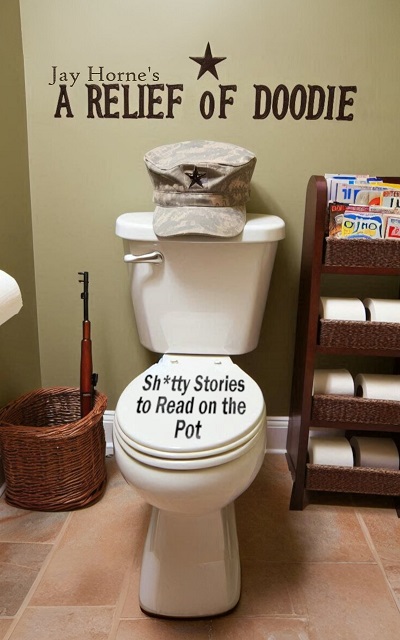
Stories Worth Wiping Your A** With
Whether you're making a deposit at the stank bank, dropping a return at the squat shop, or conducting a brown business meeting, these perfectly timed tales provide the literary fragrance your privacy deserves. F
Thirteen Sick Tasteless Classics, Part II is adult literature featuring adult language and situations that satirizes thirteen famous novellas and short stories. It is Jay Dubya's sixteenth ebook.





 Share
Share Print
Print Save
Save Follow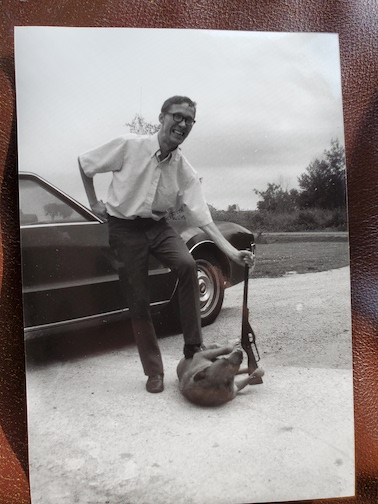




First question: What's so compelling about a declaration in rhyme about what everybody easily recognizes as a fact about life? This seems to me the 'favourite sport" in words of AD poets - stating the obvious.
Second point: Even if what is blatantly obvious to everyone is clothed in stanzaic form and buoy-ed by alternating rhyme, does it constitute "poetry" or can it make a claim on the genre of satire?
Hardly, Ron, and you know it.
Comment: There's only one stanza - the third - which uses imagery in a way to enhance the lines as positively poetic. It's a cogent metaphor, to say the least. Your view of Man here is one of being a victim, at the mercy of all natural forces. Man is "naked" and defenseless, in your view. Let him possess a gun (like you masterfully stepping on poor old "Pete" in the picture with your leathered "sole/soul" while the poor dog tries to wheedle the rifle from out of your hands), and he's master of the world. That's very American, you must admit. In other places at other times, great conquistadores were brought to their knees by a "half-naked fakir" - (Churchill's words!) ) which spelt the decline and coming "fall" of the British Empire. (It's ending fast and vaingloriously in Brexit-Johnson's caretaker hands.)
The three other stanzas don't add much to the perilous situation. If in four short quatrains you are claiming to have written a satire, why did Jonathan Swift use hundreds of thousands of words to create an imaginary world of Yahoos and their Masters, the horses, and create Gulliver to deliver his message, etc. of the same people who colonized the "heathens" in their empire?
The third stanza says it all in the Imagist sense and mode.
Hope I have answered your question? Every good wish? Wignesan