AuthorsDen.com  Join | Login 

 
Where Authors and Readers come together!

Authors | Books | Audiobooks | eBooks | Signed Bookstore | Stories | Articles | Poetry | Blogs | News | Events | Reviews | Videos | Success | Gold Members | Testimonials

Featured Authors:  Valerie Boggess, iRochelle Brandon, iEva Pasco, iBryon Smith, iJeff Ovall, iJoshua Su, iTrennis Killian, iTracey Morait, iJohn Henning, i Dadfire, i

  Home > Action/Thriller > Articles
Popular: Books, Stories, Articles, Poetry      Authors: A B C D E F G H I J K L M N O P Q R S T U V W X Y Z     

Dave Tabler

 Follow Me  

· 91 titles
· 46 Reviews
· Share with Friends!
· Save to My Library
·
Member Since: Jan, 2023

   Sitemap
   My Blog
   Contact Author
   Read Reviews


Books
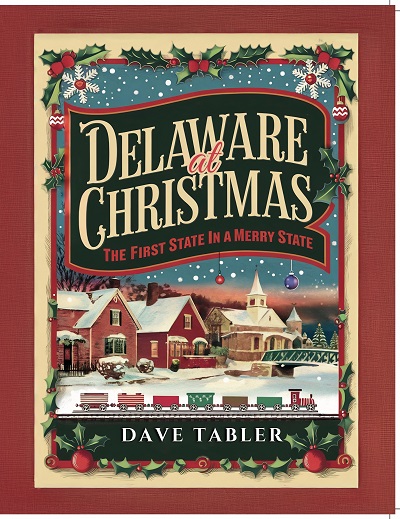
· Delaware at Christmas

· Delaware from Freeways to E-ways

· Delaware from Railways to Freeways

· Delaware Before the Railroads


Short Stories
· She Denied to the Last.

· My First Audience

· The Fourth-Grade Paper That Gave Me Away


Articles
· My First Publication Was a Letter to Santa

· Em Dash and AI myths

· How to Ruin a Poem in One Easy Step

· Stories find us early!

· Just published—and already featured by the Delaware Division of Libraries!

· What Makes History Come Alive

· Antebellum Black Christmas

· Delaware’s Hispanic Christmas Traditions

· Kwanzaa’s Impact on Delaware’s Black Community

· The Feast of the Seven Fishes


News
· Back on DelmarvaLife to Talk Delaware Behaving Badly

· The Night Delaware Ran the Klan Out of Town

· Another Taste of 'Delaware Behaving Badly'—Out Jan 1

· 'Delaware Behaving Badly' Hits Shelves Jan 1—Here's a Taste

· Grateful for Delaware's Indie Bookstores

· An Evening with Dave Tabler at Huxley & Hiro

· Unwrapping History

Dave Tabler, click here to update your web pages on AuthorsDen.

Books by
Dave Tabler


See all Books
by Dave Tabler


The 1960s Renaissance of Delaware’s State Parks
by Dave Tabler
Last edited: Wednesday, October 18, 2023
Posted: Wednesday, October 18, 2023


Delaware's 1960s saw a surge in state park creations, fueled by federal funds, estate donations, and public engagement, enriching community life.


Delaware State Parks holds stewardship over more than 13,000 acres of land, marking it as one of the state’s largest landholders and the premier guardian of publicly owned land. The department also has the unique distinction of managing the highest number of historic structures inside Delaware’s borders. This crucial role solidified within the Department of Natural Resources and Environmental Control starting in the 1960s.

Delaware governor McMullen signed the State Park Commission into law in 1937 to establish parks, playgrounds, and preserves. But it was the 1960s that marked a milestone in Delaware’s park history. Eight of the seventeen state parks sprung to life during this decade, owing to a confluence of many contributing factors.

Federal Funding as a Catalyst for Expansion

The first factor contributing to the growth of Delaware’s state parks was the influx of federal funds, particularly from the Land and Water Conservation Fund State Assistance Program.

This 1965 legislation offered matching grants to states encouraging the acquisition and development of public outdoor recreation sites and facilities. These funds could also be funneled through states to assist local governments for the same purposes.

Peter Geldof Jr, superintendent of Delaware State Parks at the time, had followed the path of the program from the time Congress introduced the bill in late 1962. He outlined a plan to the Delaware Assembly the following year to invest the expected funding should the federal bill be passed. Thanks to Geldof’s advance planning and the bill’s passage, Delaware established the new Cape Henlopen State Park in 1964, the state’s largest, and one of the earliest, beneficiaries of such funding.

A second component presented itself: members of wealthy families, upon inheriting ancestral mansions, sometimes found themselves uninterested in maintaining these large estates. The tax donation allowances presented an attractive solution: transfer ownership to the state.

Delaware consequently gained four magnificent state parks, each with its unique historical flavor: Bellevue State Park, a legacy of William du Pont Jr.; Auburn Valley State Park, former property of the Marshall dynasty; Alapocas Run State Park, which once housed the Joseph Bancroft Mills; and Brandywine Creek State Park, previously a du Pont family parcel.

Lastly, the 1960s surge in state park expansions was fueled by the federal government’s disposition towards shedding properties no longer deemed necessary. This strategy resulted in the birth of five more state parks—

Cape Henlopen State Park, once a military base known as Fort Miles during World War II; Fort Delaware State Park, home to the Union fortress of Civil War fame; Fort DuPont State Park, named after the military facility it housed in the 19th and 20th centuries; Fenwick Island State Park, a barrier island utilized for coastal defense during World War II; and Delaware Seashore Park, once the site of the Indian River Inlet Station.

Some properties, like Lums Pond and Killens Pond, transitioned into state parks due to their diminished commercial value. Lums Pond, originally built in the early 19th century as an impoundment for the Chesapeake and Delaware Canal, found a new life as a state park in 1963. Similarly, the state acquired Killens Pond State Park, a former millpond that had become a tax burden for its owners, in 1965.

Birth of a Park through Public Advocacy

Some lands were caught in the crossfire between public and private interests. White Clay Creek State Park was born out of such a conflict. After World War II, potential water shortages in northern Delaware led to a proposed dam on White Clay Creek to create a reservoir, which caused the Pennsylvania Railroad and then DuPont to buy land in the area.

However, in the early 1960s, this proposal sparked staunch opposition from local citizens and groups like the United Automobile Workers and the Sierra Club. The White Clay Watershed Association coalesced in 1965 against building the dam.

A stalemate between environmentalists and business interests subsequently unfolded. DuPont abandoned its plans for the dam, yielding to environmental apprehensions and public opposition. The state acquired the land in 1968 and officially inaugurated White Clay Creek State Park before the end of the year.

Delaware’s expansion of state parks in the 1960s was part of a larger national trend. The post-WWII period saw rapid urban growth and industrialization, leading to increased recognition of the need to preserve natural spaces.

This era also marked the advent of the modern environmental movement, inspired by Rachel Carson’s seminal 1962 work, “Silent Spring.”

Americans seeking to reconnect with nature had more disposable income and leisure time than prior generations. And so, a surge in hiking, fishing, boating, and camping led to expanded park creation. All told, these trends profoundly shaped Delaware’s state park system, creating a future for all to enjoy.

Web Site: Dave Tabler


Want to review or comment on this article?


Need a FREE Reader Membership?


New Articles by Dave Tabler
article Image
How a three-year-old's Christmas wish became a writer's first taste of being heard
My First Publication Was a Letter to Santa
article Image
Stop Calling the Em Dash Artificial.
Em Dash and AI myths
article Image
Poet Reaches for the Sublime, Printer Grabs the Swiffer
How to Ruin a Poem in One Easy Step
article Image
Coming full circle back to Gettysburg
Stories find us early!
article Image
That was quick!
Just published—and already featured by the Delaware Division of Libraries!
article Image
History deserves passionate storytellers
What Makes History Come Alive
article Image
Antebellum Delaware: Christmas highlighted stark contrasts between free and enslaved Black experiences, with churches, family, and hope for freedom sh
Antebellum Black Christmas
article Image
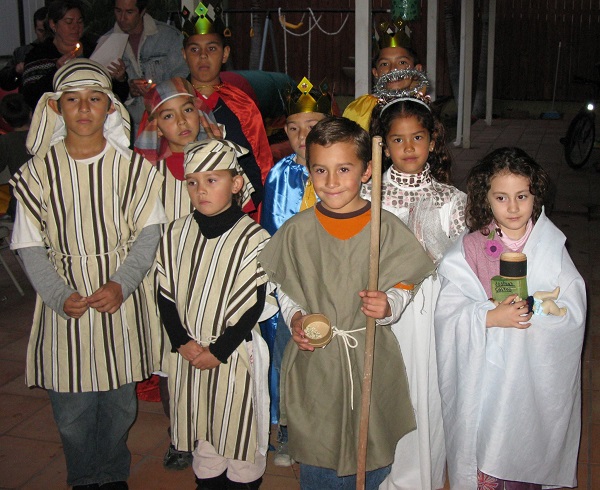
Delaware's growing Hispanic population enriches the state with vibrant Christmas traditions from Mexico, Guatemala, and Puerto Rico, blending Catholic
Delaware’s Hispanic Christmas Traditions
article Image
Kwanzaa in Delaware: A unique holiday tradition rooted in African American heritage, blending seamlessly with existing celebrations while emphasizing
Kwanzaa’s Impact on Delaware’s Black Community
article Image
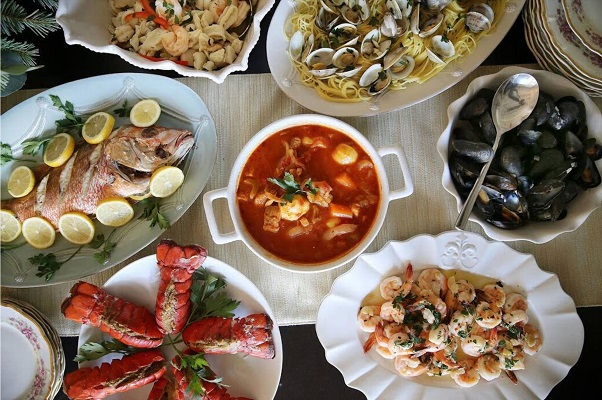
Delaware's Italian families carry on the Feast of Seven Fishes, adapting Southern Italian Christmas Eve traditions with local seafood and modern twist
The Feast of the Seven Fishes
article Image
Trace the poinsettia's journey from Mexican legend to Delaware tradition, exploring its rich history, cultural significance, and enduring holiday app
The Poinsettia Moves From Mexican Legend to Delaware Tradition
article Image
Explore how the Moravian lovefeast, a Christmas tradition of shared food and hymns, was embraced and adapted by Methodist and Presbyterian churches in
Delaware’s Evolving Christmas Lovefeast Tradition
article Image
Tracing Delaware's mummer tradition from colonial controversy to Halloween parades, and its modern revival in Middletown's satirical Hummers Parade.
Mummers in Delaware
article Image
Delaware's dangerous mistletoe trade, from the 1800s to early 1900s, saw rural workers risk their lives harvesting the plant for holiday traditions an
The Romance of Mistletoe
article Image
Delaware's Christmas history reveals a darker side: from colonial raids to schoolboy pranks and racially charged thefts, three centuries of holiday mi
Three Centuries of Yuletide Mischief
article Image
Colonial Delaware's Anglican Christmas blended English traditions with frontier life, featuring evergreen-decked churches, festive feasts, and social
Anglican Christmas Traditions in Colonial Delaware
article Image
Explore how German Christmas traditions enriched Delaware's holiday celebrations, from festive foods to beloved customs, shaping the state's unique yu
Germany’s Gift to Holiday Cheer
article Image
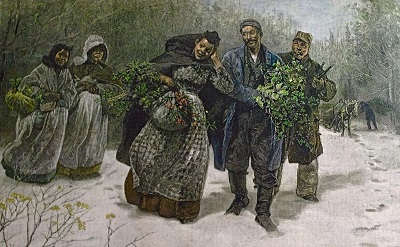
Delaware's holly wreath industry, born in the 1880s, brought Christmas cheer and economic prosperity to the state for decades before declining in the
Deck the Halls with Delaware Holly
article Image
Emily Bissell's 1907 Christmas Seal campaign in Delaware sparked a national movement, raising funds to fight tuberculosis and revolutionizing public h
The Christmas Seal Story
article Image
Discover the tinkling history of sleigh bells in Delaware, from essential winter transport signals to nostalgic symbols of holiday cheer across three
Sleigh Bells in Delaware’s Winter Past