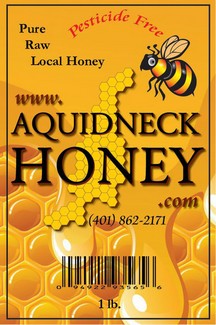
 Put a bee in your bonnet to fetch a jar or two of locally produced honey...
Nectar of the Gods
As medical research continues to buzz about the benefits of honey, it bee-hooves one to buy local. Most honey sold in supermarkets is not raw, but commercial grade quality which has been pasteurized, thereby partially destroying the yeast and enzymes which are responsible for activating vitamins and minerals in the human body.
HONEY—how sweet it is!
More than a palette pleaser, honey is one sting operation in which busy little bees produce nectar of the gods. Bees flit from flower to flower collecting their nectar by sucking with their tongues and storing it in sacs within their bodies. These bees then fly back to their bee hive and regurgitate the stored nectar into the mouths of house bees.
The house bees add enzymes from their bodies to the nectar. The enzymes cause the water in the nectar to evaporate, transforming the nectar into honey. Finally, the nectar is stored in a cell of a honeycomb. In time, the nectar ripens and voila—honey is formed.
Purportedly, bees may travel as far as 55,000 miles and visit more than two million flowers to provide just one pound of honey! As medical research continues to buzz about its health benefits to mankind, one would be pennywise to purchase a 9 oz. jar of liquid gold.
Honey is touted as offering antiseptic, antioxidant, and cleansing properties for our body. Honey is considered beneficial to skin care. It is believed to aid in the healing of eye conjunctivitis, athlete's foot, and cuts. Credited for curing ailments and diseases, honey is often used for treating diarrhea, indigestion, stomach ulcers, and gastroenteritis. Honey fights infection, aids tissue healing, and even helps reduce inflammation and scarring.
Honey is used in many cough syrups because its smooth, thick texture soothes throats. Surely, the medicinal properties and restorative nature of honey have put a bee in your bonnet to fetch a jar or two.
Local vs. Commercial Honey
As the uses and benefits of honey are as diverse as its floral varieties and places of origin, one should consider making a beeline for acquiring local honey. For instance, taken as a natural supplement for allergy prevention during the months prior to pollen season, it is best to ingest honey raised closest to where one lives. Even though pollen may trigger allergies, the allergens in the honey deliver small doses which induce immunity.
Most of the honey found in supermarkets of commercial grade has been pasteurized (heated at 70 degrees Celsius or more), cooled rapidly, and filtered so it looks cleaner and smoother. Pasteurization kills yeast cells in the honey, preventing fermentation and slowing the speed of crystallization in liquid honey. This process proves detrimental to the health benefits of honey because the yeast and enzymes responsible for activating vitamins and minerals in our body have been partially destroyed. Therefore, this precludes raw, unfiltered honey to be more nutritious because it is relatively low in moisture content for stability, and is high in antioxidants.
My shout out goes out to one of several apiaries in Rhode Island whose raw honey products are sold locally. Ta da! AQUIDNECK HONEY on Aquidneck Island in Middletown, RI. Jeff, the Beeman has been keeping honeybees ever since 1996 when he started out with a couple of hives. Today, his honey products are sold at numerous farmers markets, restaurants, and grocery stores throughout the Ocean State.
*You can purchase Aquidneck Honey’s products online from the website, as well as get a glimpse of its sting operation by viewing the short and sweet video.
So, native Rhode Islanders and tourists buzzing through—make a beeline for acquiring nectar of the gods produced from any one of several apiaries on Little Rhody’s turf.
|