Does the disabled war vet know more than you know about life? What can you learn from him?
The paraplegic veteran knows
Of useless limbs
Useless conversations
Useless opinions
Useless ambitions
Useless values
He knows what matters
He sees through the fog
of our useless priorities
He tastes bitterness
and lets it go
If he retains hope.
Perhaps he plays rough chair sports
if his arms are strong,
or swims or lifts weights,
wheelchairs around
by hand or machine,
explores what is, what might be.
That yearning, that burning.
Do you have it?
Do you sense what’s important?
Have you lost something so precious
That you know what the paraplegic vet knows?
Dear Danae, I served in the military for 24 years and I taught cadets at the Air Force Academy as a civilian. I am a registered disabled veteran but I don't consider myself disabled. I have seen a good part of this world and know what hardship is like. I had the privilege of teaching and working with severely disabled and they usually have more of a desire to learn and conquer obstacles than the average person. I just came from a special education class today. Each one of us has a gift to share. Sometimes having a mentor is the one way to discover that gift. I was considering mentoring in a special education class next week. Your poem helped me to make the RIGHT decision. Thank you!
You end with a probing rhetorical question. Does misfortune lead to greater resolve?
Thanks to a service called Metrolift, I have cultivated a few para-and quadruplegic friends. I also know of a few veterans whose disabilities tend to be more psychological than physical.
Of all of these paralyzed friends in the larger disability community, they are the ones who are breaking the barriers of access. For example, a paraplegic, who is not a veteran, Greg Abbott, is now governor of the great state of Texas. Tammy Duckworth a veteran, with artificial legs, is elected senator from Illinois. The other disabilities that may or may not come from war have less visibility because mental capabilities have been affected, like, brain injury, PTSD and Parkinson's disease.
Without war we would certainly have many fewer without paralysis or lost limbs, brain dysfunction. That's for sure.
A treatise on what can be taken away from people, and what they are left with. What do they do with these limitations? And as your poem takes a position: Have you lost something so precious
That you know what the paraplegic vet knows? My guess it would be an example of tenacity and belief in the inner spirit of living. Thanks for posting. Not enough attention is given to this subject.
How this country treats its veterans is a sin. I was never in the service, so I can't imagine the trauma they have to endure, let alone ending up being paralyzed.
No one can fully understand the trials and frustration a paraplegic has had to deal with. Yes, of course he/she know much more of life by dealing with something he was in the wrong place at the wrong time.
"War! Good God, what is it good for?"--Edwin Starr
Love, romance, innocence, intrigue, danger, and lust. Life is complicated, and love even more so. Life, and love, can be hazardous to a lady's health. Especially if she's fallen in love with a married pop star.
Love, romance, innocence, intrigue, danger, and lust. Life is complicated, and love even more so. Life, and love, can be hazardous to a lady's health. Especially if she's fallen in love with a married pop star.


 Share
Share Print
Print Save
Save Follow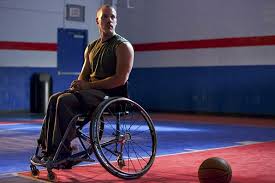



Thanks to a service called Metrolift, I have cultivated a few para-and quadruplegic friends. I also know of a few veterans whose disabilities tend to be more psychological than physical.
Of all of these paralyzed friends in the larger disability community, they are the ones who are breaking the barriers of access. For example, a paraplegic, who is not a veteran, Greg Abbott, is now governor of the great state of Texas. Tammy Duckworth a veteran, with artificial legs, is elected senator from Illinois. The other disabilities that may or may not come from war have less visibility because mental capabilities have been affected, like, brain injury, PTSD and Parkinson's disease.
Without war we would certainly have many fewer without paralysis or lost limbs, brain dysfunction. That's for sure.
Ron
That you know what the paraplegic vet knows? My guess it would be an example of tenacity and belief in the inner spirit of living. Thanks for posting. Not enough attention is given to this subject.
"War! Good God, what is it good for?"--Edwin Starr
https://www.youtube.com/watch?v=dpWmlRNfLck