Haiku is a difficult genre for the best of poets but you've written this one masterfully. BRAVO!
Reviewed by Sophia Ann Montoya (Reader)
Reviewed on September 19, 2008
One of my friends loves this form of poetry (she is in Japan at this very moment); I had no idea what it was, you're poem made me research the details, THANK YOU Eileen & WELL Done!!
Haiku is a poetic form and a type of poetry from the Japanese culture. Haiku combines form, content, and language in a meaningful, yet compact form. Haiku poets, which you will soon be, write about everyday things. Many themes include nature, feelings, or experiences. Usually they use simple words and grammar. The most common form for Haiku is three short lines. The first line usually contains five (5) syllables, the second line seven (7) syllables, and the third line contains five (5) syllables. Haiku doesn't rhyme. A Haiku must "paint" a mental image in the reader's mind. This is the challenge of Haiku - to put the poem's meaning and imagery in the reader's mind in ONLY 17 syllables over just three (3) lines of poetry! Check out some Haiku at Haiku Salon
HAIKU EXAMPLES
The Rose: Donna Brock
The red blossom bends
and drips its dew to the ground.
Like a tear it falls
A Rainbow: Donna Brock
Curving up, then down.
Meeting blue sky and green earth
Melding sun and rain.
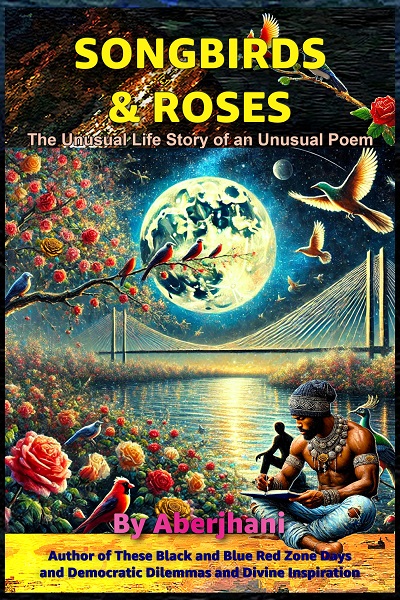
Explore the mystery of how nature makes unexpected gifts of creative wonders to an unsuspecting caregiver one late night and early morning in southeastern Georgia, USA.
A book of nature inspired poems and essays, written from the heart and soul of a life-long nature, animal, and wilderness lover, and dedicated to today’s children - Earth's only hope for a better tomorrow.
This book won 'The Poetry Category'


 Share
Share Print
Print Save
Save Follow







http://volweb.utk.edu/school/bedford/harrisms/haiku.htm
Haiku (HI-coo)
Haiku is a poetic form and a type of poetry from the Japanese culture. Haiku combines form, content, and language in a meaningful, yet compact form. Haiku poets, which you will soon be, write about everyday things. Many themes include nature, feelings, or experiences. Usually they use simple words and grammar. The most common form for Haiku is three short lines. The first line usually contains five (5) syllables, the second line seven (7) syllables, and the third line contains five (5) syllables. Haiku doesn't rhyme. A Haiku must "paint" a mental image in the reader's mind. This is the challenge of Haiku - to put the poem's meaning and imagery in the reader's mind in ONLY 17 syllables over just three (3) lines of poetry! Check out some Haiku at Haiku Salon
HAIKU EXAMPLES
The Rose: Donna Brock
The red blossom bends
and drips its dew to the ground.
Like a tear it falls
A Rainbow: Donna Brock
Curving up, then down.
Meeting blue sky and green earth
Melding sun and rain.