I'm assuming that these poems, while not noted, are translated from Chinese. And that may be why I have some difficulty in interpreting their meaning, somewhat lost in translation.
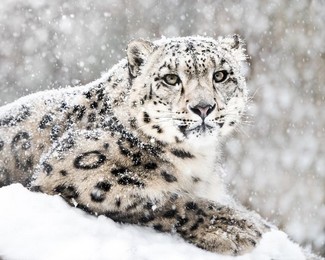
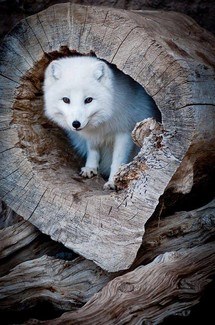
Most of them seem to have a theme of asceticism where the writer has gone off into the wilderness, the mountains, and is living with nature and little else, thereby gaining great insight into the affairs of men, like Thoreau on Walden Pond.
Unfortunately, most of these Chinese aesthetics were wealthy and were able to leave behind their wealth and go into recluse by the power of their status in society. Every one of them could not live alone in their high places without gifts of rice and other foodstuffs from people of lower status who could not read or write, but honored these learned men (none were women to my knowledge) who sat in their towers, contemplated, and wrote these endless poems about their experience.


 Share
Share Print
Print Save
Save Follow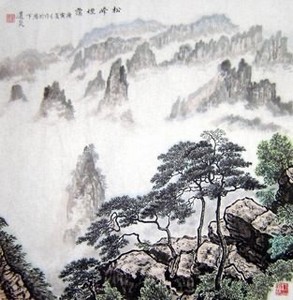



Most of them seem to have a theme of asceticism where the writer has gone off into the wilderness, the mountains, and is living with nature and little else, thereby gaining great insight into the affairs of men, like Thoreau on Walden Pond.
Unfortunately, most of these Chinese aesthetics were wealthy and were able to leave behind their wealth and go into recluse by the power of their status in society. Every one of them could not live alone in their high places without gifts of rice and other foodstuffs from people of lower status who could not read or write, but honored these learned men (none were women to my knowledge) who sat in their towers, contemplated, and wrote these endless poems about their experience.
Ron