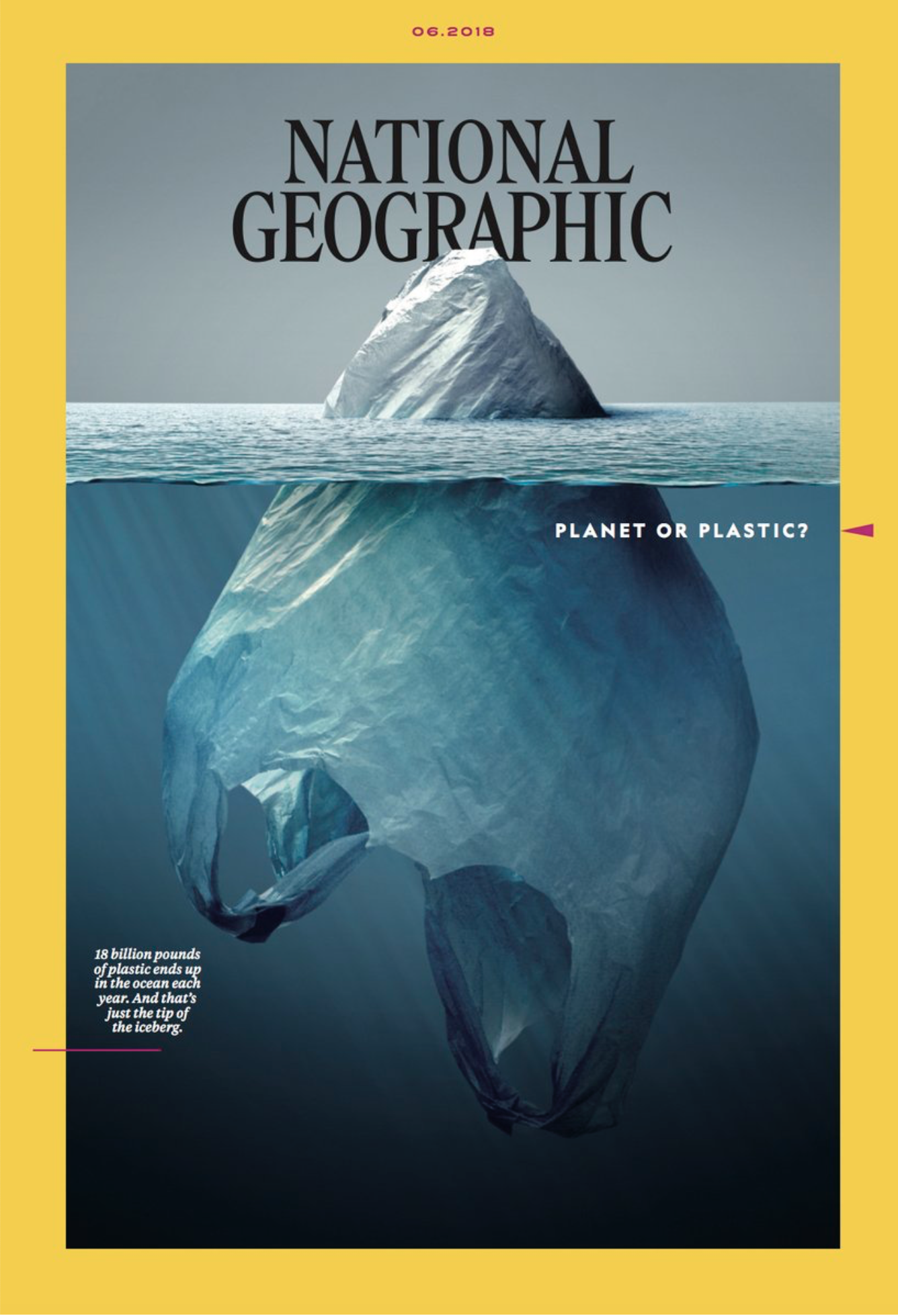
Planet or Plastic? June, 2018 Cover of National Geographic Magazine
Plastic Fantastic
When lowly Bakelite came into use,
only to insulate us from heat and,
the danger of high-voltage juice,
no one saw chemistry's emerging genie.
That polymers would spread and enable,
throughout our technically growing world.
Replacing many more fragile and durable,
with their lightness, strength and color unfurled.
Cheaply replacing metal, glass, wood,
paper, ceramic and even silky soft cloth.
there seemed no end to what plastics,
and their magic could bring forth.
At first thought of as cheap,
and then, thought of as value-added,
plastics became the universal solution,
we, the public, bought and applauded.
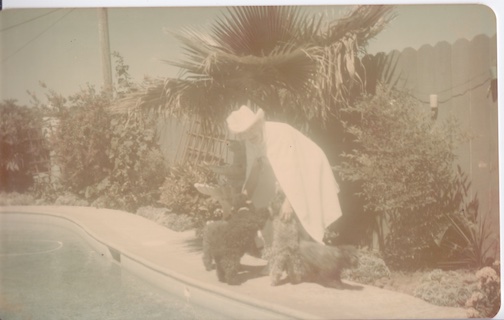
We all heard the uncle whisper to,
Dustin Hoffman, The Graduate, in the pool.
"Invest in plastics," he said,
not doing so would be a fool.
For plastics spread throughout,
the entire commercial world.
Replacing and altering the way,
our environment and life prospered.
But plastics were found not to be,
as biodegradable as their predecessors,
with chemical compounds hard to break down.
What was thought of as a boon, became a frown.
Discarded plastic ends up in the sea,
has been found at the microscopic level,
in all forms of life that currently be.
"Planet or Plastic," is the new battle cry,
but the genie is out of the bottle,
and many still do not know why,
hooked on convenience that they can't deny.
So please do your part as quickly as you can,
come up with ways to do away with plastic,
substituting paper for plastic is easy if you try.
Your contribution to health, you can't deny.
Copyright 2019 © Ronald W. Hull
12/5/19
You can read and print this poem at my website here.






 Share
Share Print
Print Save
Save Follow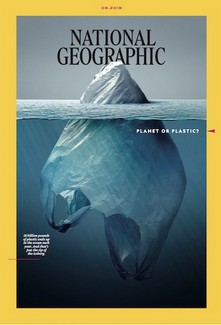


Rebecca
Paper companies recycle a good bit of their paper. And, I believe that paper can be made from grasses and other fast-growing materials. One material replacing wood worldwide is bamboo, a fast-growing grass. Stronger than steel, quite beautiful, and easily fashioned into many uses.
My emphasis in the poem was on our behavior and choices, not on the relative sustainability of each way of doing things. Those are readily available on the Internet for us to find out. Back in 1966, a fellow student, and Indian engineering student, came up with the idea of using cardboard boxes for raising laboratory rats. The standard way of doing it was using glass bottles and then sterilizing them for reuse, a costly and polluting procedure because of the soap and sterilizing chemicals used. The cardboard boxes and excrement contained could just become compost--brilliant!
Ron
Love ya!
Jane
"Please do your part" in your prophetic poem says it all..I see squirrels on UC Berkeley Campus eating candy wrapoers everyday.
Please keep awakening us to 'seeing' and 'doing'..
Well done.
Regis. 🍁
Ingeborg